Yes, it can happen. Bed bugs don’t jump or fly and they don’t live on your skin, but they can crawl into a bag, coat or clothes left near where they’re hiding, then travel home with you. Workplaces where people rest, sleep or visit homes carry more risk. A few simple habits make it much less likely.
Reviewed by James Rhoades, Owner, ThermoPest · Last reviewed 16 October 2026
If a colleague has mentioned bed bugs, or you’ve spotted something on an office chair, it’s natural to worry about taking them home. This guide explains how bed bugs actually travel, which jobs come with more risk, what to do each day to protect your home, and what to do if your workplace does have them.
How do bed bugs travel from work to home?
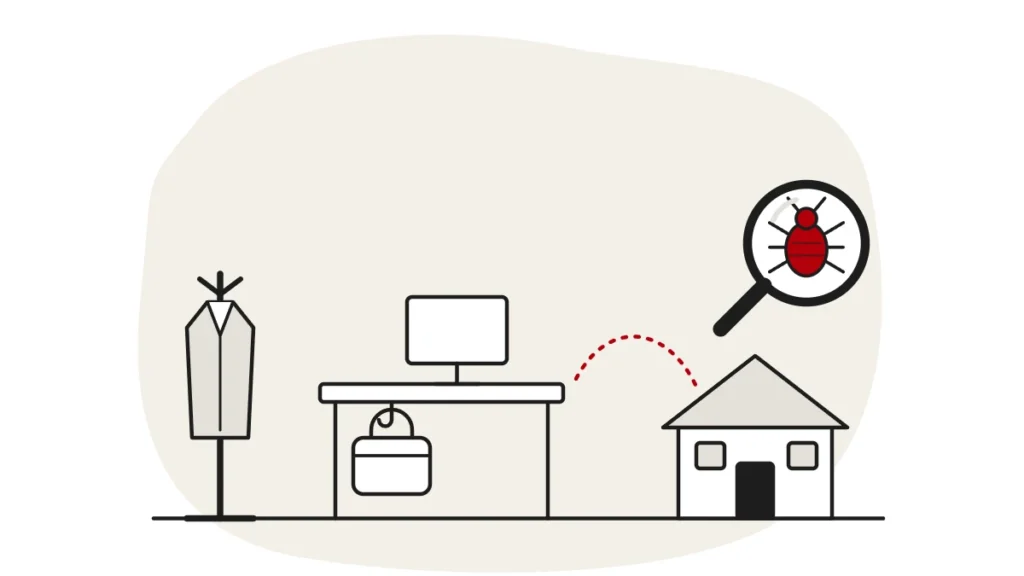
Bed bugs are hitchhikers. They can’t jump, fly or hold on to hair and skin the way lice do. Instead they crawl into dark, tight spaces close to where they’ve been hiding, and they’re carried wherever that thing goes next.
At work, that usually means:
- Bags left on the floor next to upholstered chairs, sofas or skirting boards.
- Coats piled together on a shared chair or in a cloakroom, where a bug on one item can move to another.
- Fabric bags with lots of seams, pockets and folds, which give bugs plenty of places to tuck into.
- Items you carry between places, such as laptop bags, lunch bags and work kit taken into other people’s homes.
Once a bug is in your bag or coat, it can drop off when you get home and look for somewhere to hide near where you sit or sleep. That’s why the habits below focus on your bags, your coat and what you do when you walk through your front door.
Can bed bugs live on the clothes you’re wearing?
Bed bugs don’t like staying on a moving, warm body for long. They’re more likely to be in a coat, scarf or bag that’s been left still for a while than on the clothes you have on. That said, a bug can be carried in a fold of clothing, so it’s worth checking and washing what you wore if you know you’ve been near an infestation. Our guide on whether someone who has bed bugs can bring them to your home covers the same question from the other side.
Can you catch bed bugs from a coworker?
You can’t “catch” bed bugs like a cold. They don’t pass from person to person through touch. What can happen is that a colleague with bed bugs at home brings a bug in on a bag or coat, it moves into nearby belongings, and from there into yours.
In a typical office, where nobody sleeps or rests for long periods, bed bugs are less likely to settle and breed. They prefer to stay close to where people rest for long periods. So hearing that a coworker has bed bugs doesn’t mean you’ll get them, but it is a good reason to follow the steps in this guide for a few weeks.
What to Do If a Coworker Has Bed Bugs
- Keep your bag and coat away from theirs, and off shared soft seating.
- Don’t swap or borrow coats, bags or cushions.
- Check your bag before you leave work and when you get home.
- Be kind. Bed bugs have nothing to do with how clean someone is, and they’ll already be stressed. If you’re worried, speak to your manager privately rather than discussing it with the team.
Which workplaces have a higher risk of bed bugs?
Any place where lots of people and belongings come and go can have bed bugs from time to time. The risk is higher where people sleep or rest, or where staff go into other people’s homes. The table below is general guidance based on how bed bugs spread. It isn’t based on survey data and can’t measure the risk in your own workplace.
| Workplace | Why there’s more chance | Sensible habit |
|---|---|---|
| Care and home visits | Staff go into homes and sit near beds and sofas | Take only what you need inside; keep kit in a hard box, off soft furnishings |
| Housing, hostels and support work | People sleep on site and move rooms often | Keep bags in a locker or on a hook; don’t sit on beds |
| Hotels and hospitality | Guests’ luggage comes from all over; staff handle bedding and rooms | Bag used linen straight away; keep personal items in staff areas, not guest rooms |
| Transport | Fabric seats and luggage areas used by many people | Keep your own bag on your lap or a hook, not on fabric seats or the floor |
| Offices | Lower, but bugs can arrive in bags and coats and hide in soft seating | Bag on a hook or desk; coats hung apart, not piled |
If your job takes you into homes or shared housing, the advice in our guide to whether bed bugs can come from neighbours also helps explain how they move between flats and rooms.
How to Avoid Bringing Bed Bugs Home From Work
None of these steps is complicated. Done together, they cut the chances of a bug travelling home with you.
1. Use a Hard or Smooth Bag
Bed bugs struggle to climb smooth, hard surfaces and have fewer places to hide in a bag without lots of seams and fabric folds. A hard-shell or wipe-clean bag, or a plastic box for work kit, is easier to check and harder for bugs to get into than a soft, multi-pocket rucksack.
2. Keep Your Bag Off the Floor
Bugs crawl, so the floor is how they reach most belongings. Hang your bag on a hook, keep it on your desk or put it in a locker. Avoid leaving it against upholstered chairs, sofas or skirting boards.
3. Hang Your Coat on Its Own
Use a hook or coat stand rather than draping your coat over a soft chair or piling it with other coats. If your workplace has a known problem, you could keep your coat in a large plastic bag while you’re there.
4. Check Before You Go Home
Before you leave, take a quick look at the seams, zips and pockets of your bag, and the collar and cuffs of your coat. You’re looking for small, flat, reddish-brown insects (the NHS says adults are around 5mm long), pale shed skins or tiny dark spots. A phone torch makes this much easier.
5. Have a Routine When You Get In
- Leave your work bag in a hallway or on a hard floor, away from beds and sofas. Don’t put it on your bed.
- Change out of your work clothes before sitting on soft furniture.
- If you think you’ve been exposed, put the clothes straight into a sealed bag until you can wash them.
6. Wash and Dry on Hot
The NHS advises washing affected clothing and bedding on a hot wash (60°C) and tumble drying on a hot setting for at least 30 minutes. For things that can’t be washed, the NHS suggests putting them in a plastic bag in the freezer for 2 to 3 weeks. Check the care label first, and only throw things away if they can’t be washed or treated.
What about repellent sprays?
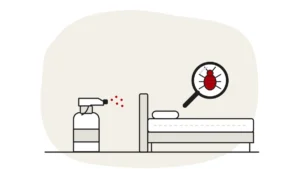
You’ll see sprays and oils sold as bed bug repellents for bags and clothes. We don’t suggest relying on them to keep bed bugs out of your home. Checking your bag, keeping it off the floor and hot washing are more dependable habits.
Signs of Bed Bugs at Work
Bed bugs hide in seams, cracks and soft furnishings, so in a workplace look at:
- Upholstered chairs, sofas and cushions in waiting areas, staff rooms and break-out spaces.
- Seams and buttons of fabric seats, and the gaps under them.
- Cloakrooms, lockers and any rest or sleeping areas.
You’re looking for live bugs, pale shed skins, and small black or dark brown spots on fabric. If you’ve got itchy bites, remember that bites alone can’t tell you where you picked them up, or even whether bed bugs caused them. A pharmacist can advise on itchy bites, and you can call NHS 111 or speak to a GP if they look infected or you feel unwell. The NHS notes that bites don’t usually cause other health problems.
What to Do If Your Workplace Has Bed Bugs
Report It
Tell your manager, HR or facilities team as soon as you can, ideally in writing with a photo if you have one. A bug caught on clear tape is very useful. The sooner it’s looked at, the less chance it has to spread to more areas or more homes.
Protect Your Home While It’s Sorted
Follow the bag, coat and laundry steps above every day until your employer confirms the problem has been dealt with. Keep a light eye on your bed and sofa at home for a few weeks. If you see signs there, act early: an infestation that’s caught in one room is much easier to contain. Our guide to whether bed bugs in one room spread to the rest explains how to stop them moving around your home.
Your Rights and Your Employer’s Duties
If you’re worried about how your employer is handling it, or whether you can be asked to work in an affected area, read our guide to bed bugs at work: employer duties and employee rights. It also covers whether you should go to work if you have bed bugs at home.
For Employers and Facilities Managers
Treat reports quickly and confidentially, get the area inspected by a professional, and tell staff what’s happening without naming anyone. Shop-bought sprays, foggers and bug bombs tend to scatter bed bugs into new hiding places, which can make an office problem harder to contain. See how we help with bed bug control for offices and workplaces.
If Bed Bugs Have Come Home With You
Don’t panic, and don’t move your bed or sofa into another room, as that can spread them. Wash what you can on hot, keep clutter off the floor around the bed, and get an inspection to confirm what you’re dealing with. At ThermoPest our approach is heat-led, with targeted spray where it’s needed, so it reaches the seams and cracks where bugs and eggs hide. Read how bed bug heat treatment works. Depending on the job, a return visit may be needed.
FAQs
How likely is it to bring bed bugs home from work?
For most people in most workplaces, it’s not likely, because bed bugs prefer places where people sleep or rest. The chance goes up if your workplace has a known problem, if you sit on shared soft seating, or if your job takes you into homes or shared housing. Keeping your bag off the floor and checking it before you leave helps a lot.
Can I get bed bugs from someone at work?
Not by touching them. Bed bugs don’t pass from person to person. A bug could move from a colleague’s bag or coat into yours if they’re left close together, so keep your belongings separate and off soft furniture, and check them before you go home.
I found a bed bug crawling on me at work. What should I do?
Stay calm. If you can, catch it on clear tape so it can be identified, and tell your manager or facilities team. Check your bag and coat before leaving, change when you get home, and wash what you wore on hot (the NHS advises 60°C and a hot tumble dry for at least 30 minutes).
Can I go to work if I have bed bugs?
Our guide to bed bugs at work covers whether to go in and whether to tell your employer. Whatever you decide, the practical steps are the same: use a hard or sealed bag, wear freshly washed clothes, keep your coat and bag away from others, and get your home treated.
Worried you’ve brought bed bugs home?
If you’ve found signs at home after a scare at work, an inspection will confirm what you’re dealing with and where the bugs are hiding. ThermoPest is a member of the BPCA and NPTA, and our technicians arrive in unmarked vans.