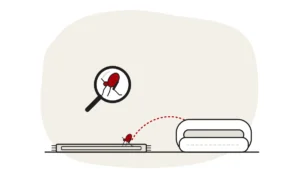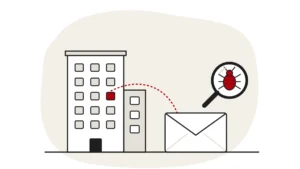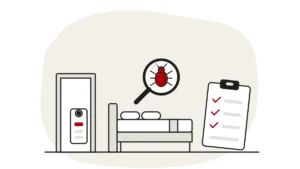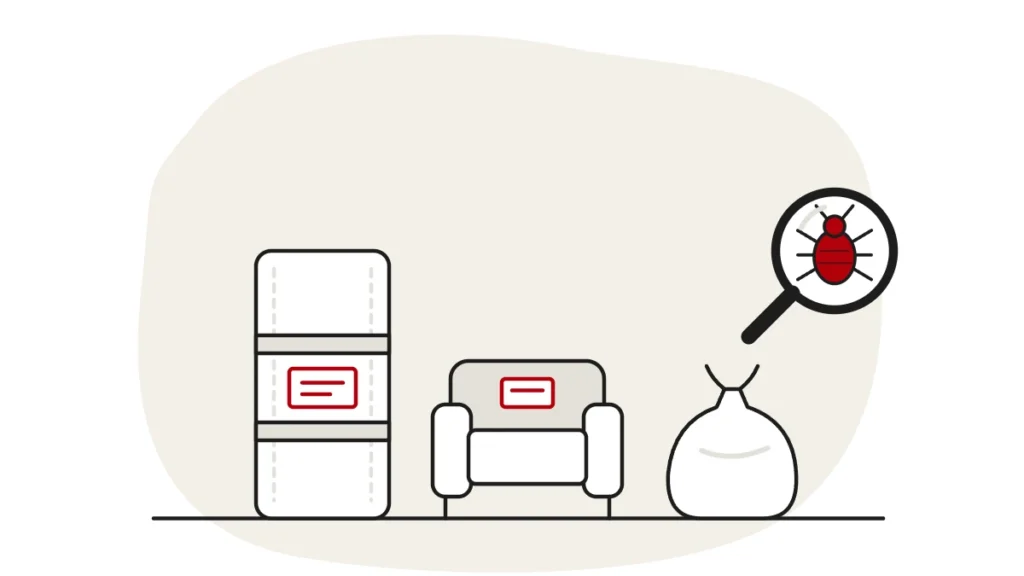
Only throw away what can’t be washed or treated. Most bed bug-infested furniture, bed frames and even mattresses can be treated and kept. If something does have to go, wrap it fully in heavy plastic, label it as having bed bugs, and book your council’s bulky waste collection rather than leaving it on the street.
Reviewed by James Rhoades, Owner, ThermoPest · Last reviewed 16 October 2026
Finding bed bugs makes a lot of people want to strip the bedroom and start again. It’s an understandable reaction, but it’s usually expensive, rarely necessary and can make things worse. This guide explains what’s worth keeping, what might need to go, and how to get rid of furniture and mattresses without spreading bed bugs to your own home or anyone else’s.
Do you have to throw everything away if you have bed bugs?
No. Bed bugs live in and around furniture, but they don’t damage it or make it unusable. Once the bugs and their eggs are dead, a bed frame, sofa or mattress is the same item it was before. Most things in a bedroom can be washed, bagged or treated in place.
Throwing things out also doesn’t remove the problem. Bed bugs hide in skirting boards, sockets, carpet edges, curtains and bedside furniture, not just the bed. If you get rid of the bed and leave the rest untreated, the bugs that remain will move to wherever you sleep next, whether that’s a new bed or the sofa.
The cases where disposal makes sense are narrower than people expect:
- the item is already worn out, broken or due for replacement anyway;
- it’s badly torn, so bugs can get deep inside where they’re hard to reach;
- it’s cheap, hard to clean and not worth the effort of treating;
- your pest controller has inspected it and advised that it should go.
If none of those apply, keep it and have it treated with the rest of the room.
Should I throw my bed frame away if I have bed bugs?
Usually not. Bed frames are one of the most common places to find bed bugs, because the joints, slats, screw holes and headboard sit right next to where you sleep. That’s exactly why a frame should be treated rather than thrown away: it’s part of the room the treatment needs to cover.
A frame is worth replacing only if it’s damaged, falling apart, or has so many cracks and hollow sections that you’d rather not keep it. Wooden and metal frames both respond to treatment. If you do replace it, wait until the room has been treated so the new frame doesn’t simply become the next hiding place.
Should I throw away my mattress if I have bed bugs?
Not automatically. A mattress in reasonable condition can be treated along with the rest of the bedroom. Bed bugs tend to gather along the seams, piping, labels and the underside, and these are the areas a treatment targets. Once treated, a mattress encasement (a zipped cover that surrounds the whole mattress) makes any new activity easier to spot and gives bugs fewer places to hide on the surface.
A mattress that’s ripped, sagging or stained is a different story. If it was due for replacement anyway, this can be a sensible time to let it go, as long as you dispose of it properly and the room is still treated.
Should I throw away my sofa if it has bed bugs?
Sofas, armchairs and upholstered headboards are harder to inspect by eye because of the fabric, cushions and frame underneath, but they can still be treated. If someone sleeps on the sofa, it’s especially likely to have bugs, and it needs to be part of the treatment plan rather than dumped on its own. Torn underside linings and damaged frames are the main reasons to replace one.
What to Keep and What Might Need to Go
Use the table as a rough guide, and ask whoever is treating your home before you throw out anything valuable.
| Item | Usually | When disposal makes sense |
|---|---|---|
| Bed frame | Keep and treat | Broken, falling apart or already due for replacement |
| Mattress | Keep and treat, then encase | Badly torn, sagging or worn out |
| Sofa or armchair | Keep and treat | Torn linings or damaged frame, or cheap and in poor condition |
| Clothes and bedding | Hot wash and tumble dry | Only items that can’t be washed, frozen or treated |
| Cardboard boxes and clutter | Sort, bag and reduce | Old boxes, papers and junk you don’t need, bagged and sealed first |
How to Dispose of Bed Bug-Infested Furniture
If something does have to go, the aim is to get it out of your home and into the waste system without dropping bugs on the way or passing them to someone else.
1. Wrap It Completely
Seal the item in heavy-duty plastic before you move it. Plastic sheeting or furniture wrap, taped at every seam, works for sofas and frames. Take frames apart first if you can, and bag the screws and small parts separately. Do the wrapping in the room where the item is, not in the hallway.
2. Label It Clearly
Write “bed bugs” in large letters on the plastic, on more than one side. It tells collection crews to handle it with care and stops anyone from taking it home.
3. Move It Carefully
Carry the wrapped item straight out of the building rather than resting it in shared hallways, lifts or stairwells. In a flat, tell your landlord or managing agent, as bed bugs can spread between flats and neighbours may need to check their homes too.
4. Book a Council Bulky Waste Collection
Most councils collect large household items such as beds, sofas and wardrobes, often for a charge. Use the GOV.UK find your local council tool to reach your council’s website and book. When you book, say that the item has bed bugs, so the council can tell you about any extra handling rules.
Follow your council’s instructions for putting items out. Merton Council, for example, asks residents to cover sofas, mattresses and other soft furnishings in plastic (to keep them dry) and to leave items within their property boundary on collection day, not on the pavement or road.
If you pay a private company to take items away instead, tell them about the bed bugs. In England, you can check they’re registered through the GOV.UK register of waste carriers, so the item ends up at a proper disposal site rather than dumped.
Why You Shouldn’t Leave It on the Street
Leaving an old mattress or sofa on the pavement for someone to take, or for the council to find, is fly-tipping. GOV.UK defines fly-tipping as the illegal dumping of household, commercial or industrial waste on a small scale, and its examples include one or two pieces of furniture.
There’s a practical risk too. Furniture left outside is often picked up and carried into someone else’s home, bugs and all. Second-hand furniture is one of the common ways bed bugs spread, which is why the NHS advises not bringing second-hand furniture indoors without checking it carefully first. Wrapping, labelling and booking a proper collection protects the next household as well as yours.
How to Dispose of a Mattress With Bed Bugs
A mattress follows the same steps as other furniture, with a few extra points:
- Use a mattress disposal bag or heavy plastic sheeting, and tape all the openings shut.
- Strip and bag the bedding first, then wash it rather than throwing it out.
- Check the bed frame, headboard and the floor underneath once the mattress is out; bugs left behind will move to the next bed.
- Book the collection before you wrap it, so a sealed mattress isn’t standing in your hallway for days.
Some retailers offer to take your old mattress away when they deliver a new one. If you use this, tell them about the bed bugs before the delivery day and have the old one wrapped and labelled ready.
If I throw away my bed, will bed bugs go away?
No. The bed is where bed bugs cluster, but it’s rarely the only place they are. Bugs and eggs are usually also in the bed frame joints, skirting boards, bedside tables, curtains, carpet edges and plug sockets near the bed. Removing the bed takes some of them away, but the rest will find you on the sofa or in a new bed, and moving infested furniture through your home can spread them to other rooms.
That’s why the order matters: treat first, then replace anything you still want to get rid of. A new mattress brought into an untreated room can pick up bugs quickly.
What about clothes and bedding?
You don’t need to throw away clothes because of bed bugs. The NHS advises washing affected bedding and clothing on a hot wash (60°C) and tumble drying on a hot setting for at least 30 minutes. For items that can’t be washed, the NHS suggests sealing them in a plastic bag and putting them in the freezer for 2 to 3 weeks.
- Bag clothes in the room where you find them, and carry the sealed bags straight to the washing machine.
- Keep clean, dried items in fresh sealed bags until the room has been treated.
- Only throw away items that can’t be washed, frozen or treated.
For more detail, see whether bed bugs can live in clothing, whether ironing kills bed bugs, and how long bed bugs can live in a sealed plastic bag.
Before You Throw Anything Out, Talk to Whoever’s Treating
If you’ve booked a treatment, check before you get rid of furniture. Items you might be tempted to dump can usually be treated in place, and moving them out early can carry bugs through the rest of the property. Our bed bug heat treatment preparation guide explains what to bag, what to move and what to leave where it is.
At ThermoPest, our approach is heat-led, with targeted spray where it’s needed. Heat reaches into bed frames, sofas, mattresses and the cracks around them, which is why most furniture can be kept rather than replaced. Read how bed bug heat treatment works. Return visits may be needed depending on the job, and when we treat a flat we ask to inspect neighbouring flats too.
Avoid foggers, bug bombs and smoke bombs while you decide. They tend to scatter bed bugs into new hiding places, including other rooms and neighbouring flats, which makes the infestation harder to deal with.
FAQs
Do you have to throw away clothes with bed bugs?
No. The NHS advises washing clothes and bedding on a hot wash (60°C) and tumble drying on a hot setting for at least 30 minutes. Items that can’t be washed can be sealed in a bag and frozen for 2 to 3 weeks. Only throw away things that can’t be washed or treated.
Do you have to throw away a mattress with bed bugs?
Usually not. A mattress in reasonable condition can be treated with the rest of the bedroom and then fitted with an encasement. Replace it only if it’s torn, worn out or your pest controller advises it, and wrap and label it before disposal.
Should I throw away my couch if it has bed bugs?
Most sofas can be treated and kept. Dispose of one only if it’s damaged or in poor condition anyway. If it goes, wrap it fully in plastic, label it “bed bugs”, and book a council bulky waste collection rather than leaving it outside.
Will the council collect a mattress with bed bugs?
Most councils run a bulky waste collection for large items such as beds and sofas, often for a charge; check whether yours takes mattresses. Find your council through GOV.UK, tell them the item has bed bugs when you book, and follow their rules on wrapping and where to leave it.
Does throwing away your mattress get rid of bed bugs?
No. Bed bugs also hide in bed frames, skirting boards, sockets and nearby furniture, so throwing out the mattress leaves many of them behind. Have the room treated first, then replace anything you still want to get rid of.
Not sure what to keep?
Before you throw out furniture, an inspection will show where the bed bugs are and what can be treated in place. ThermoPest is a member of the BPCA and NPTA, and our technicians arrive in unmarked vans.