Fleas usually seem to come back after treatment because new adults are still hatching from cocoons that were already in your home. The cocoon protects them, so they keep appearing for a while. Untreated pets, missed pet treatment doses and fleas brought in from outside can also restart the problem.
Reviewed by James Rhoades, Owner, ThermoPest · Last reviewed 16 October 2026
Seeing fleas again after you’ve treated your pet or your home is frustrating, and it’s easy to think the treatment hasn’t worked. Often it has. This guide explains what’s normal after treatment, how long it can last, and the signs that something else is keeping the problem going.
Is it normal to see fleas after treatment?
Yes, for a while. To understand why, it helps to know how fleas develop. They go through four stages: egg, larva, pupa and adult. Eggs laid on your pet fall off onto carpets, rugs, sofas and pet bedding. The larvae develop there and, according to the British Pest Control Association (BPCA), spin well-camouflaged silken cocoons when they’re fully grown.
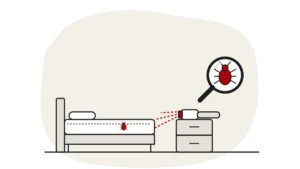
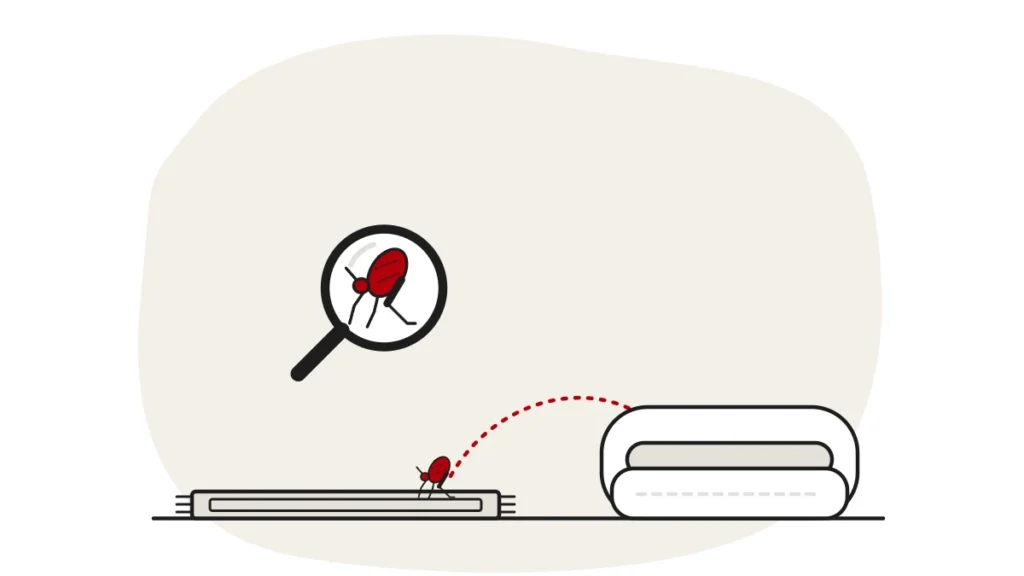
The BPCA explains that the adult flea then waits inside its cocoon until it detects the vibrations of a possible host nearby, and only then comes out. The Kennel Club says a pupa can stay in its cocoon for up to a year, waiting for the right conditions. The cocoon is the hardest stage to reach, so fleas that were sealed inside during treatment can keep hatching afterwards.
So the fleas you see in the weeks after treatment are usually not new arrivals. They were already in your home as cocoons. They don’t “come back to life”; they’re simply a later wave hatching out.
Why You May See More Fleas at First
Movement, footsteps and vacuuming can set off a wave of hatching. The BPCA notes that the vibration of a vacuum cleaner stimulates adults to leave their cocoons, which makes them more vulnerable to insecticide treatments. That’s why a burst of fleas soon after treatment, or after you move back into a home that’s been quiet, isn’t necessarily a bad sign. Those fleas need to hatch before treatment can reach them.
How long will you see fleas after treatment?
Expect weeks rather than days. The Kennel Club says that, because of the flea life cycle, new fleas may carry on emerging in the home for six weeks or longer after treating your pet, and more than one treatment may be needed. The PDSA’s advice for cat owners notes that it can take a few weeks to sort out a flea problem.
How long it lasts in your home depends on how established the infestation was, how warm the home is and whether every pet is treated on schedule. What matters is the trend: fewer fleas and fewer bites as the weeks go on. If you’re seeing just as many fleas, or more, after several weeks, something is keeping the cycle going. The reasons below are the usual suspects.
Why do fleas keep coming back?
When fleas keep returning long after treatment, it’s usually one of these causes, or a mix of them.
1. Cocoons Are Still Hatching
This is the most common reason, as explained above. Within the first few weeks, it’s expected rather than a sign the treatment has failed.
2. Not Every Pet Was Treated, or Doses Were Missed
Treating one pet but not another lets the untreated animal keep feeding fleas and dropping eggs around your home. The PDSA advises treating all cats, dogs and rabbits in the household at the same time, and as regularly as your vet recommends. The Kennel Club also recommends treating all cats, dogs and rabbits in the household.
Timing matters too. Researchers at the University of Liverpool’s SAVSNET project, which studies records from UK vets, say flea control breakdowns sometimes happen when retreatment intervals aren’t followed. Missing a dose, or stopping when the fleas seem to have gone, gives the next wave a chance to breed.
3. The Pet Was Treated but the Home Wasn’t
The PDSA’s advice for cat owners says 95% of a flea infestation is in the home rather than on the animal. If only your pet is treated, the eggs, larvae and cocoons in carpets and furniture carry on developing, and the new adults jump straight back on. Treat the pet and the home together.
4. Fleas Are Being Brought in From Outside
Even after a successful treatment, fleas can be brought back in. The PDSA says dogs most often catch fleas from another dog, a cat, the garden or the home. The BPCA says pets can pick up fleas from other animals or places and bring them home, and that fleas can occasionally be picked up from wild animals, for example through close contact with a fox den. SAVSNET researchers note that fleas associated with rodents, birds and hedgehogs may be found on pets.
In flats and shared houses, it’s worth thinking about neighbours’ pets, animals using communal areas and anywhere wildlife could get in, such as an open window or a gap under a shed. Second-hand rugs or furniture from a home with pets can also carry eggs and cocoons.
5. Foggers and Sprays Missed Where Fleas Develop
Shop-bought foggers and “flea bombs” release a mist that settles mostly on open surfaces. Flea larvae and cocoons are down at the base of carpet fibres, under furniture and in gaps in the floor, which the mist often doesn’t reach. If you’ve set off a fogger and still have fleas, that’s usually why. Household sprays can work on the surfaces they’re applied to, but it’s easy to miss areas, so follow the label exactly and keep pets away as it directs.
6. The Home Wasn’t Prepared Before Treatment
Before an insecticide treatment, the BPCA advises clearing as much floor space as possible and vacuuming all areas to remove debris, eggs, larvae and adult fleas. Clutter on the floor, under beds and against walls leaves sheltered spots the treatment can’t reach.
Why does my dog or cat still have fleas after treatment?
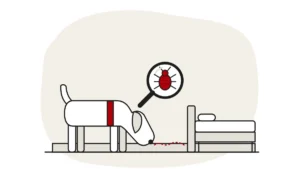
Usually because fleas from the home keep jumping on as they hatch. A pet flea treatment deals with fleas on the animal, but it doesn’t remove the cocoons waiting in your carpets, so your pet keeps picking up newly hatched adults until the home is clear.
How quickly a product works, how long it lasts and how often to use it all depend on the product. Check the label, and ask your vet if you’re not sure your pet’s treatment is right for their species, age and weight. Never use a product on a pet it isn’t labelled for. If your pet is still scratching a lot, or their skin looks sore, speak to your vet.
Should you vacuum after flea treatment?
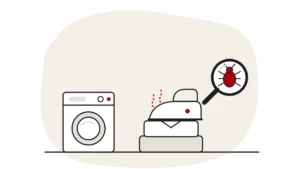
It depends on how your home was treated, so follow the aftercare instructions you were given. After a residual insecticide treatment, the BPCA advises not vacuuming or washing treated areas for at least two weeks, or longer if possible. Vacuuming too soon can remove the insecticide left in the carpet and lead to a failed treatment.
Once your technician says it’s fine, regular vacuuming helps. Focus on carpets and rugs where your pet sleeps, sofas and under cushions, along skirting boards and under furniture. The BPCA advises emptying the vacuum’s bag or container into an outside bin straight away, as it may hold eggs, larvae and adult fleas.
For pet bedding, the PDSA advises washing it at 60°C or hotter. Check the care label first.
How to Stop Fleas Coming Back
Match what you’re seeing to the likely cause.
| What you’re seeing | Likely cause | What to do |
|---|---|---|
| Fleas in the first few weeks, gradually fewer | Cocoons still hatching | Keep going: pet treatment on schedule, follow your aftercare advice |
| One pet keeps scratching | Not every pet treated, or doses missed | Treat every cat, dog and rabbit together, as often as your vet recommends |
| Pet treated, but fleas jumping on carpets | Home not treated | Treat the home as well as the pet |
| Fleas return after a clear spell | Brought in from outside or from other animals | Keep pet treatment going and look for how animals or wildlife are getting in |
| Still fleas after a fogger or flea bomb | Mist didn’t reach where fleas develop | Use targeted treatment of carpets, furniture and gaps instead |
| No improvement after several weeks | Established infestation in several rooms | Get a professional inspection |
Are fleas worse at certain times of year?
Yes. Researchers at the University of Liverpool who studied flea cases recorded by vet practices across Great Britain through the SAVSNET project found cases in every year of the study, peaking between July and October. The BPCA’s flea leaflet says the full life cycle takes about a month in summer. So a few fleas brought in during the warmer months can become a bigger problem by autumn. Don’t stop your pet’s flea treatment when summer ends; ask your vet how often it’s needed all year round.
When to Call a Professional
A light problem caught early can often be handled with vet-recommended pet treatment and thorough cleaning. Our guide on how to get rid of fleas in your home walks through the steps. It’s worth calling a professional if:
- you’re still seeing as many fleas, or getting bitten as often, after several weeks;
- fleas are in several rooms, not just where your pet sleeps;
- you’ve moved into a property and found fleas, with or without pets;
- someone in the home is very young, elderly or reacting badly to bites.
At ThermoPest, our professional flea treatment uses heat or targeted spray, depending on the job. We look at where the fleas are developing and treat those areas, not just the surfaces you can see. We’ll ask you to arrange flea treatment for your pets through your vet at the same time. A single treatment is typically enough to leave a home flea-free, though you may still see a few new fleas for a short while as cocoons that were already there finish hatching. Our flea treatments come with a 12-week guarantee, and our guarantee terms explain what’s covered. Your technician will give you aftercare advice based on the treatment used in your home, including when to start vacuuming again.
Flea sprays and bed bug treatments aren’t interchangeable, so if you’re wondering whether one product can tackle both, see our guide on whether flea spray kills bed bugs.
Flea Bites While You Wait
This is general information, not medical advice. The NHS says flea bites are usually found in groups below the knees. Try not to scratch, as the bite could get infected, and wash the skin with soap and water. A pharmacist can recommend treatments such as antihistamines or steroid creams. The NHS advises asking for an urgent GP appointment or contacting NHS 111 if symptoms get worse or don’t improve, and to see a GP if a baby under 1 has been bitten. Call 999 if your lips, mouth, throat or tongue suddenly swell, or you have trouble breathing. See the NHS page on insect bites and stings for full guidance.
FAQs
Can fleas come back to life after treatment?
No. Fleas that have been killed don’t revive. What you’re seeing is a new wave of adults hatching from cocoons that were already in your home.
Will fleas go away on their own?
Not reliably. The PDSA says fleas and their eggs can survive in the house for up to a year, and the Kennel Club says a pupa can wait in its cocoon for up to a year. Waiting it out usually means the problem keeps returning.
Why do I still have fleas after using a flea bomb?
Flea bombs and foggers release a mist that lands mostly on open surfaces. Larvae and cocoons develop deep in carpets, under furniture and in floor gaps, which the mist often misses. They also don’t affect fleas still sealed in their cocoons, so new adults keep hatching.
Is it normal to find dead fleas after treatment?
Yes. Finding dead fleas after treatment is common, and you may still see some live ones for a few weeks as cocoons finish hatching. What matters is that you see fewer live fleas over time. Keep following your aftercare advice and keep your pets’ treatment up to date.
Can fleas spread between flats?
Fleas mostly travel on animals, so in a block of flats they can spread through neighbours’ pets, animals using shared areas or wildlife getting into the building. If fleas keep returning and you live in a shared building, let us know about neighbouring pets or communal areas when you book, so the inspection can take them into account.
Fleas still coming back?
If you’ve treated your pets and your home but the fleas keep appearing, an inspection will show where they’re developing and what’s needed to clear them. ThermoPest is a member of the BPCA and NPTA, and our technicians arrive in unmarked vans.