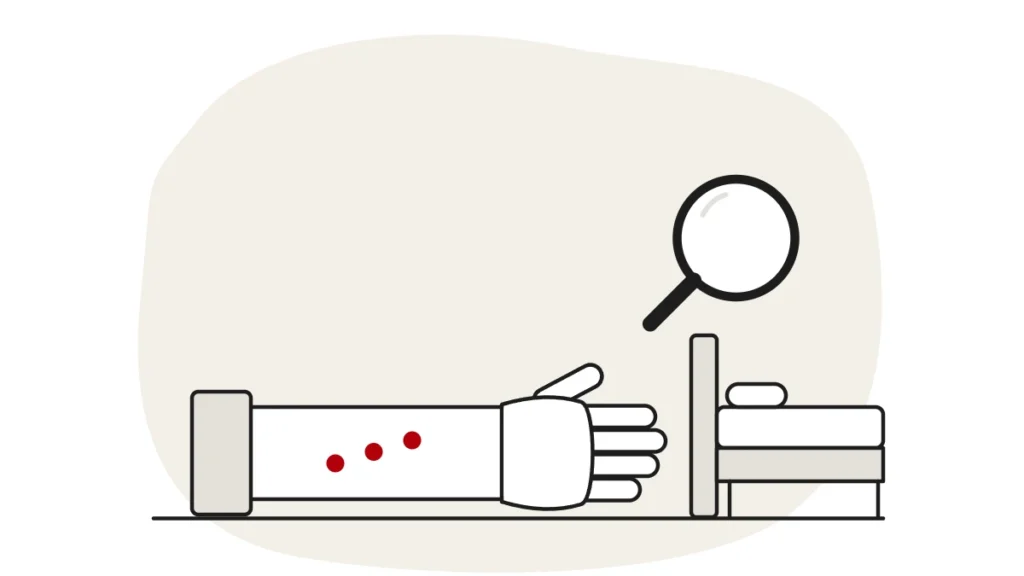
If you’re being bitten at night but can’t find bed bugs, there are two likely explanations: a small, early bed bug infestation that’s still well hidden, or something else, such as fleas, mosquitoes, mites or a skin condition that itches at night. Where the marks are, when they appear and what you find in the bed will narrow it down.
Reviewed by James Rhoades, Owner, ThermoPest · Last reviewed 16 October 2026
Waking up with itchy marks and finding nothing in the bed is unsettling, and it’s a common reason people call us. This guide works through both possibilities in order: first how to check properly for bed bugs, because a light infestation is easy to miss, then the other bites and rashes that are often mistaken for them. We’re pest specialists, not doctors, so where skin conditions come up we describe what the NHS says rather than diagnose anything.
Why am I getting bitten at night but can’t find bed bugs?
“No sign of bed bugs” usually means one of these:
- They’re there, but hidden. Bed bugs are small and flat, feed briefly at night and spend the rest of the time tucked into seams, joints and cracks. In an early infestation there may only be a handful, and most people have never seen one before, so they look for the wrong thing in the wrong place.
- It’s another biting insect. Fleas, mosquitoes, midges and mites all bite people indoors, and their bites are easy to confuse with bed bug bites.
- It isn’t a bite at all. Hives, eczema, contact dermatitis and scabies all cause itchy bumps, and several of them feel worse at night when you’re warm and still.
The sections below give you a way to tell these apart without guesswork.
Can you have bed bugs without seeing them?
Yes, and it’s the normal situation early on. The NHS describes adult bed bugs as around 5mm long and dark yellow, red or brown, and says they can hide on bed frames, mattresses, clothing and furniture. Young bed bugs (nymphs) are smaller and paler still. Because they come out to feed while you’re asleep and retreat before you wake, you can share a bed with them for weeks and never see one.
It’s also worth knowing that people react differently to bites. The NHS notes that bed bug bites can be harder to see on black or brown skin, and in our experience some people barely react at all. That’s why one partner can be covered in marks while the other has none, and why “no bites” doesn’t rule bed bugs out either.
How to Check Your Bed Properly
Most people glance at the top of the mattress and stop. Bed bugs rarely sit there. Strip the bed, take a bright torch and go slowly round:
- the mattress seams, piping and label, then the underside of the mattress;
- the divan base or bed frame, especially joints, screw holes, slats and the back of the headboard;
- bedside tables, the backs of picture frames and skirting boards near the bed;
- the edge of the carpet and any cracks in the wall or floor near the bed.
You’re looking for more than live insects. The NHS lists spots of blood on your bedding and small brown spots on bedding or furniture (bed bug droppings) among the signs. Pale, papery shed skins and tiny cream-coloured eggs stuck in seams are other clues. If you find dark spots along a seam but no bugs, treat that as evidence; bed bugs leave droppings where they rest, not where they feed. Our guide to bugs that look like bed bugs will help if you do find an insect and aren’t sure what it is.
What else bites at night if it isn’t bed bugs?
If a careful check turns up nothing, the next question is what else could be biting you. These are the common culprits in UK homes, with the NHS description of each bite.
| Cause | What the bites look like | Clues it’s this one |
|---|---|---|
| Bed bugs | Raised, itchy, often in a line or group (NHS) | On skin uncovered in bed; dark spots or blood spots on bedding |
| Fleas | Usually found in groups below the knees (NHS) | A cat or dog in the home, or a previous owner’s pet; bites on ankles during the day too |
| Mosquitoes | Small, raised and itchy (NHS) | Warm weather, open windows, a whining sound at night, bites scattered rather than in lines |
| Midges | Small and raised, in groups (NHS) | Time outdoors near water or in the evening; worse in summer |
| Mites, including bird mites | Very itchy lumps, sometimes blisters (NHS) | A bird’s nest in the roof, eaves or on a ledge by a window; a crawling feeling on the skin |
Fleas
In our experience, fleas are often the answer when it isn’t bed bugs, especially where there’s a pet. The NHS says flea bites are usually found in groups below the knees, which fits how fleas reach you: they jump from carpets and pet bedding onto your lower legs. You can be bitten in bed if a pet sleeps there, but you’ll often notice bites during the day as well. Run a fine comb through your pet’s fur over white paper and look for flecks that turn reddish when wet. If fleas are the problem, our flea treatment page explains how we deal with them, using heat or targeted spray depending on the job.
Mosquitoes and Midges
Both are seasonal and come in from outside. Mosquito bites tend to be single, puffy bumps scattered over whatever skin was exposed, rather than a tidy line, and you’ll often hear the insect or find it on the wall in the morning. If the bites started with warm weather and open windows, this is the first thing to rule out.
Bird Mites and Other Mites
The NHS describes mite bites as very itchy lumps that sometimes blister. The British Pest Control Association (BPCA) explains that bird mites live in nests and move to the birds at night to feed, and that they often bite people when their food source has gone, for example when young birds leave the nest. The BPCA says this is more common in urban areas, generally because of pigeons nesting outside on ledges, and that it’s essential to remove the nesting site; without that, the problem is likely to carry on regardless of any chemical treatment. If there’s a nest near your bedroom window or above the ceiling, this is worth investigating.
Itchy at Night but No Bites? Skin Conditions That Look Like Bites
Several common skin conditions produce itchy, raised marks that people assume are bites. The pattern is the giveaway: bites appear on skin that was exposed and stay put, while rashes often appear where skin is covered or in contact with something, and come and go. This is general information from NHS pages, not a diagnosis.
- Hives (urticaria): raised bumps or patches in many shapes and sizes that itch, sting or burn. The NHS lists triggers including certain foods, medicines, heat, cold, sweating, stress, tight clothing, infections and insect bites, and says hives usually clear within a few days. Our guide to bed bug bites vs hives compares the two side by side.
- Atopic eczema: itchy, dry, cracked or scaly skin that flares and settles, commonly on the elbows, knees and hands. The NHS names soap, washing detergent, pets, some fabrics, house-dust mites, heat and stress among the triggers, which is why it’s often blamed on the bed.
- Contact dermatitis: itchy, blistered, dry or cracked skin within hours or days of touching an irritant or allergen. The NHS gives soaps and detergents as common irritants, so a new washing powder, fabric conditioner or bedding is a reasonable suspect.
- Scabies: an itchy rash caused by tiny mites. The NHS describes intense itching, especially at night, with a raised rash or spots that usually spread across the whole body apart from the head and neck, often between the fingers, around the wrists and under the arms. It spreads through close skin contact, and the NHS says it can take up to 8 weeks for the rash to appear. A pharmacist can recommend a cream or lotion, and the NHS says everyone in the home needs treating at the same time. It isn’t a pest control problem.
How can you work out what’s biting you?
Put the clues together rather than relying on one. Over the next few nights:
- Note where the marks are. Face, neck, arms and hands point to something in the bed. Ankles and shins point to fleas. Under clothing or between fingers points away from bed bugs.
- Note when they appear. New marks only after a night in your own bed suggest the bedroom. Marks that appear during the day, or carry on when you sleep somewhere else for a few nights, suggest another cause.
- Mark a few spots. Circle a few marks lightly in pen and look again the next day. Bite marks tend to stay in the same place, while hives can fade and appear somewhere else. It’s a useful note to show a pharmacist, not a test that settles it.
- Check the obvious sources. Comb pets, look for nests near windows and in the loft, and think about anything new: detergent, bedding, medicines, soap.
- Set up a simple monitor. Shallow plastic traps that sit under each bed leg catch bed bugs as they climb up or down. They’re sold widely and cost little. Leave them in place and check them each morning; an empty trap isn’t proof of absence, but anything caught settles the question.
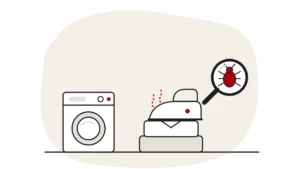
- Wash the bedding. The NHS advises a hot wash at 60°C and a hot tumble dry for at least 30 minutes for bedding and clothing where bed bugs are suspected. It won’t fix an infestation on its own, but it removes one variable and is the right thing to do anyway.
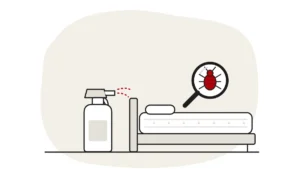
Two things not to do: don’t use foggers, bug bombs or shop sprays on a hunch, because they scatter bed bugs into neighbouring rooms and make them harder to find; and don’t throw the mattress out, which spreads bugs through the house and gets rid of the evidence.
When should you speak to a pharmacist, GP or NHS 111?
Whatever is causing them, most bites and rashes settle on their own. The NHS suggests putting something cool, such as a clean damp cloth, on the area, and not scratching, to lower the chance of infection. A pharmacist can recommend something for the itch and check it’s suitable for you or your child.
The NHS advises seeing a GP if bites are still very painful, swollen or itchy after pharmacy treatment, or if the pain or swelling around a bite is spreading, which can mean an infection. For hives, it says to see a GP or call 111 if they haven’t improved after 2 days, keep coming back or are spreading, or if you also have a high temperature and feel unwell, or swelling under your skin. Call 999 if your lips, mouth, throat or tongue suddenly swell, your throat feels tight or you’re struggling to breathe. The BPCA says bed bugs aren’t known to spread disease, and the NHS says their bites do not usually cause other health problems.
When should you get a professional bed bug inspection?
If the bites fit the bed bug pattern, you’ve checked the bed and found nothing conclusive, and the marks keep coming, don’t carry on guessing for weeks. Bed bugs multiply while you wait, and a small problem is far easier to deal with than one that has spread to the sofa and the next bedroom. A professional bed bug inspection from ThermoPest covers the places people miss, including inside furniture joints and behind fixings, and confirms what you’re dealing with before you spend anything on treatment. In a flat we’ll also ask to look at neighbouring flats, because bed bugs move between them through walls and floors. If we do find them, our treatment is heat-led, with targeted spray where it’s needed.
And if the inspection rules bed bugs out, that’s a good result: you can stop treating the bedroom as the problem and look at the pet, the nest or the skin instead. Two other questions we’re often asked while people are lying awake at 2am: sleeping with the lights on won’t stop bed bugs, and bugs crawling into ears is mostly myth, as we explain in can bed bugs go in your ear?
FAQs
Can you have bed bugs and not be bitten?
Yes. People react differently to bites, and some don’t react visibly at all, so one person in a bed can have marks while the other has none. If you’ve found dark spots on the mattress seams, shed skins or a live insect, act on that evidence even if nobody has bites.
What is biting me at night if it’s not bed bugs?
Fleas are a common alternative, especially where there’s a pet; the NHS says flea bites are usually found in groups below the knees. Mosquitoes and midges come in through open windows in warm weather, and bird mites can move indoors from a nest in the roof or on a window ledge. If there’s no insect at all, hives, eczema, contact dermatitis or scabies can all cause itchy bumps that feel worse at night.
I have bed bug bites but no evidence of bed bugs. What should I do?
Do a proper torch check of the mattress seams, the bed frame joints and the headboard, put simple monitor traps under the bed legs, and keep a note of when new marks appear and where. If the bites carry on and the pattern still points to the bed, book an inspection rather than treating blind. If they stop when you sleep elsewhere, the bedroom is almost certainly the source.
Bites but no sign of bed bugs or fleas: what’s left?
Mosquitoes or midges if it’s summer and windows are open; bird mites if there’s a nest nearby; or a skin condition rather than a bite. NHS pages describe hives, eczema, contact dermatitis and scabies, all of which can cause itchy, raised marks, and the NHS says scabies itching is especially bad at night. A pharmacist can look at the marks and advise, and a GP can confirm a diagnosis.
Bitten at night and still not sure why?
If the marks keep appearing and your own check hasn’t settled it, an inspection will confirm whether bed bugs are the cause and where they’re hiding. ThermoPest is a member of the BPCA and NPTA, and our technicians arrive in unmarked vans.