To get rid of cockroaches, cut off their food and water, find where they hide and treat those hiding places with gel bait rather than spraying open surfaces. Seal gaps around pipes, sinks and skirting boards. Cockroaches hide well and breed quickly, so the BPCA recommends calling a professional for any infestation.
Reviewed by James Rhoades, Owner, ThermoPest · Last reviewed 16 October 2026
Seeing a cockroach run across the kitchen floor at night is unsettling, and it’s natural to want it gone straight away. The good news is that cockroaches follow predictable habits. Once you know which kind you have and where it lives, you can make your home much harder for them to survive in. This guide covers identification, hygiene, proofing, what DIY products can and can’t do, and when to call in help.
Which cockroaches do you get in UK homes?
Two species cause most problems in UK homes: the German cockroach and the Oriental cockroach. They live in different places and are tackled in slightly different ways, so it’s worth working out which one you have. Our cockroach information guide has more on the species found in UK cities.
| German cockroach | Oriental cockroach | |
|---|---|---|
| Size (BPCA) | 10–15mm as adults | About 20–24mm as adults |
| Look | Light yellowish-brown, with two dark stripes behind the head | Shiny black, dark brown or mahogany |
| Where you’ll find them | Warm, humid spots: behind ovens and fridges, around sinks and pipes | Cool, damp places: basements, drains and damp areas around pipes |
| Egg cases (BPCA) | The female carries the case until it hatches, usually 30 or more nymphs per case | Left in dark crevices, around two months to hatch, 16–18 nymphs per case |
The BPCA notes that the German cockroach, which favours heat and humidity, is commonly nicknamed the “steam fly”. The Oriental cockroach prefers cool, damp places and is the one more often linked to drains.
Where do cockroaches come from?
Cockroaches don’t appear because a home is dirty, although crumbs and grease help them stay. They usually arrive from somewhere close by or are carried in. Common routes include:
- Neighbouring properties. In flats and terraces, cockroaches travel along pipework, service ducts and gaps behind kitchen units.
- Drains and sewers. Oriental cockroaches in particular can come up through damaged drains and gaps around waste pipes.
- Deliveries and second-hand items. The BPCA advises giving second-hand kitchen appliances, such as fridges and freezers, a check over and a good clean. It’s also worth checking boxes and deliveries, and the kitchen when you move into a new home.
Once inside, they need three things: food, water and dark hiding places close to both. Take those away and you’ve done much of the work.
Signs of a Cockroach Infestation
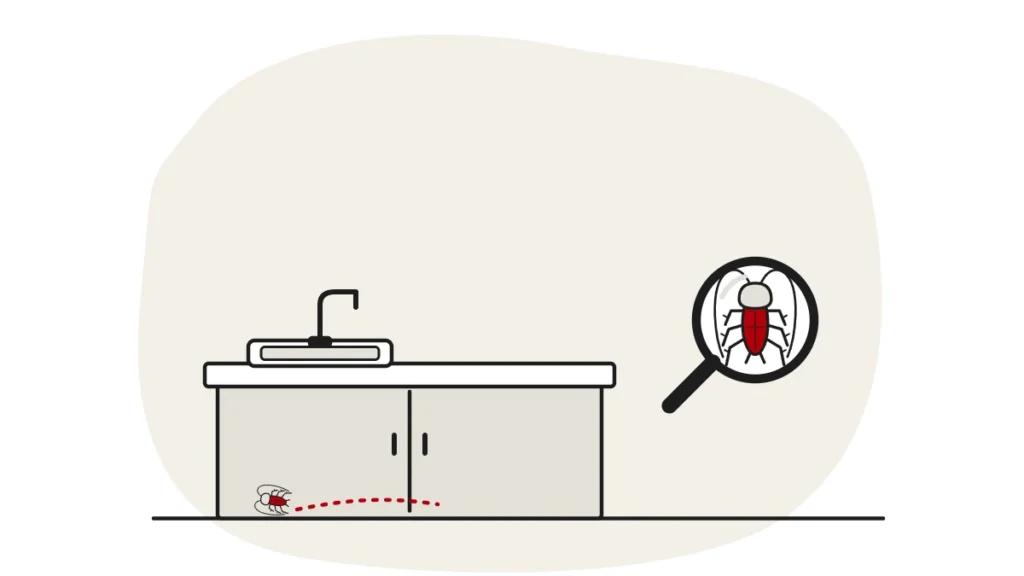
Cockroaches are nocturnal, so you may not see them during the day even when there are lots of them. Redbridge Council notes that infestations often go unnoticed until they’re extensive. Alongside live or dead cockroaches, which you’re most likely to see when you switch on a kitchen light at night, the BPCA lists these signs:
- small dark droppings near hiding places;
- egg cases (oothecae) and shed skins;
- damage to food or packaging;
- an unpleasant smell in larger infestations.
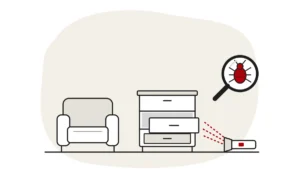
With a torch, check behind and under the fridge, cooker and dishwasher, inside the cupboard under the sink, around boilers and hot pipes, and along skirting boards in the kitchen and bathroom.
How to Get Rid of Cockroaches: Step by Step
Work through these steps in order. Treating without fixing hygiene and gaps is a common reason cockroaches keep coming back.
1. Remove Food and Water
The BPCA notes that cockroaches can survive several months without food but only a few days without water, so drying things out matters as much as cleaning.
- Wipe surfaces and sweep up crumbs every evening. Don’t leave dirty dishes in the sink overnight.
- Degrease the hob and clean on top of, behind and underneath the fridge and cooker, where food collects and motors stay warm.
- Store food, including pet food, in sealed containers.
- Keep bins covered, empty them regularly and wash them out.
- Fix dripping taps and leaks under the sink, and dry the sink and draining board at night.
2. Clear Hiding Places
Remove cardboard boxes, paper bags and clutter from kitchens and utility areas. Cockroaches shelter in them and they’re easy to carry from room to room.
3. Use Sticky Traps to See Where They Are
The BPCA is clear that sticky traps are for monitoring only. They won’t clear an infestation, but placed along skirting boards, under the sink and behind appliances they show you where cockroaches are most active and whether numbers are falling.
4. Bait the Hiding Places
Gel baits are the method councils and pest controllers commonly use. Redbridge Council’s own treatment is an insecticide gel applied to the areas cockroaches use, which it describes as a slow-working poison. A slow-acting bait gives cockroaches time to return to their hiding places after feeding. If you use a shop-bought gel bait or bait station:
- put small amounts in several places close to where you’ve seen activity, rather than one large blob;
- place it in cracks and corners, behind appliances and inside cupboard edges, away from food and out of reach of children and pets;
- don’t spray other insecticides or cleaning products over the bait, as that can put cockroaches off feeding on it;
- always follow the label instructions.
Expect to keep seeing some cockroaches for a while. Redbridge Council says it’s normal to notice a reduction within 10–14 days of its gel treatment, and that eggs laid before treatment will continue to hatch.
5. Seal Gaps and Entry Points
Proofing is what stops the problem returning. Gravesham Council says cracks and crevices should be sealed, especially around drains and pipework, and the BPCA recommends sealing gaps where utility lines enter. Fill gaps around pipes where they pass through walls and kitchen units, seal gaps along skirting boards and behind sinks with a suitable filler or sealant, and keep drain covers in good repair.
Do shop-bought cockroach killers work?
They can help with a small, recent problem, but they have limits. The BPCA says results from amateur insecticides depend on the product you choose and how thoroughly you apply it, and that a product needs to last long enough to reach nymphs that hatch later from egg cases. Gravesham Council says over-the-counter insecticides are not as effective as those available to professional pest control services.
- Gel baits and bait stations: the most useful DIY option, if placed close to hiding places and left undisturbed.
- Sprays: kill the cockroaches they hit, but most of the population is hidden in gaps you can’t reach.
- Foggers and smoke bombs: not a fix. They don’t reach deep into cracks and voids and tend to scatter insects into new hiding places. We explain the same problem with bed bugs in do smoke bombs and foggers kill bed bugs?
- Home remedies: cleaning, drying and sealing are the home remedies that make a real difference. Smells and household mixtures won’t clear an established infestation.
Are cockroaches dangerous to your health?
The BPCA describes cockroaches as vectors of disease. They can carry organisms that cause food poisoning, including salmonella, and contaminate food, utensils and preparation surfaces as they move around. If you’ve seen cockroaches in the kitchen:
- throw away any food they may have got into;
- wash plates, pans and utensils before use if they’ve been left out;
- clean worktops before preparing food.
We’re pest specialists, not doctors. If anyone in your home has asthma or allergies that seem worse at home, or you’re worried about a stomach upset, speak to a pharmacist or GP, or contact NHS 111.
Why do cockroaches keep coming back?
If you’re still seeing cockroaches after a few weeks, one of these is usually the reason:
- Eggs hatching. Egg cases are protected and keep hatching after treatment starts, so new nymphs appear.
- Hiding places missed. Bait placed away from the main harbourage won’t be found.
- Food and water still available. A well-fed population takes less bait.
- A source next door. In flats, cockroaches can move back in from another flat, a shared riser or a drain.
Manchester City Council notes that several visits may be needed for a cockroach treatment to succeed. Clearing cockroaches is usually a matter of weeks and repeat treatment, not a single spray.
Cockroaches in a Rented Home or Flat
If you rent, tell your landlord or managing agent in writing as soon as you find cockroaches. Gravesham Council says council tenants should tell their housing officer, and that for private rented homes its environmental protection team can write to the landlord about their legal duty. Other councils offer similar help, so check your council’s website. For social housing tenants in England, GOV.UK guidance brings pest infestations within Awaab’s Law, under the domestic hygiene hazard, from 30 November 2026 (general information, not legal advice; checked October 2026); our guide to Awaab’s Law and pests explains what landlords must do.
When to Call a Professional
Call in help if you’re seeing cockroaches most nights, during the day, or in more than one room, or if DIY baiting hasn’t made a difference after a few weeks. A professional will survey the property, find the harbourages and choose the right treatment for the species.
At ThermoPest our cockroach treatment is heat-led: we use heat treatment, backed up with professional gel baits and targeted residual sprays where they’re needed, with follow-up visits where required. Read more about our cockroach treatment.
FAQs
What kills cockroaches?
Insecticide gel baits placed close to where cockroaches hide are the main treatment used by councils and pest controllers, because cockroaches feed on them and carry them back to where they shelter. Sprays only kill cockroaches they reach, and foggers tend to scatter them. Hygiene and sealing gaps make any treatment work better.
Can you ever get rid of cockroaches for good?
Yes, an infestation can be cleared, but it takes weeks rather than days and often more than one treatment, because eggs keep hatching. Keeping the kitchen clean and dry and sealing gaps around pipes are what stop cockroaches coming back. In flats, a source in another flat may also need treating.
Do cockroaches come up through drains?
They can. Oriental cockroaches like cool, damp places such as drains and basements. Keep drain covers and plugholes in good repair, seal gaps around waste pipes, and run water through drains you rarely use.
Should I squash a cockroach?
Squashing one cockroach won’t solve the problem, as there are usually more hidden nearby. If you do, clean the area and wash your hands, because the BPCA warns cockroaches can carry food poisoning organisms. Focus on finding where they’re coming from.
Still seeing cockroaches?
If you’ve cleaned, sealed gaps and baited but cockroaches keep appearing, an inspection will show where they’re hiding and what’s needed to clear them. ThermoPest is a member of the BPCA and NPTA, and our technicians arrive in unmarked vans.