No, not inside a heated home. Cold slows bed bugs down, but it takes long, steady, severe frost to kill them. A British winter, an unheated room or a night outdoors won’t reliably do that.
Reviewed by James Rhoades, Owner, ThermoPest · Last reviewed 16 October 2026
It’s a hopeful thought when the nights draw in: maybe the cold will sort the problem out. It won’t, and waiting for winter can let a small infestation grow. Below, we explain what cold really does to bed bugs, how cold it has to be to kill them, why turning the heating off doesn’t work, and what does help.
Do bed bugs go away in winter?
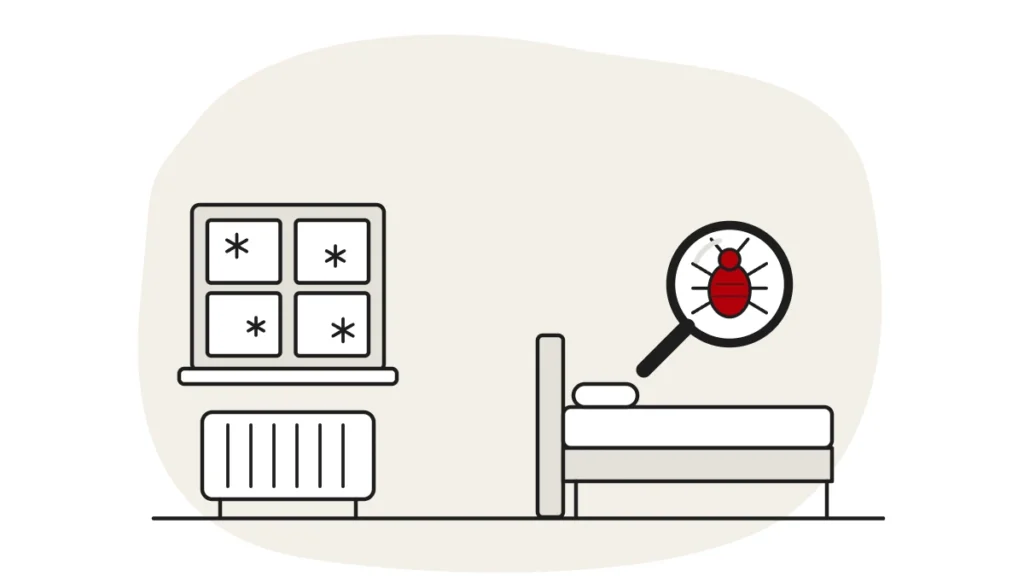
No. Bed bugs live indoors, close to the people they feed on, so the weather outside matters much less than the temperature of your bedroom. In a heated home they carry on feeding and breeding through the winter, and you may simply notice them less.
A 2024 article for the British Pest Control Association (BPCA) by Dr Richard Naylor says bed bug activity is closely linked to temperature, and that below 13°C bed bugs become completely inactive: they stop feeding and their eggs don’t hatch. Most lived-in bedrooms in winter are warmer than that, so the bugs stay active.
Do bed bugs hibernate?
Not in the way people imagine. They don’t go off somewhere to sleep through the winter. When it’s cold enough, they go into a resting state where they don’t feed or develop. An earlier BPCA article by researcher Dr Jette Knudsen, “The practical implications of bed bug biology and behaviour”, describes this as a quiescent state below 13°C, in which adults can survive for more than a year. When the room warms up again, they become active again.
Why Bites Can Seem to Stop in Winter
If your bites ease off in colder months, it doesn’t mean the bugs have gone. A cooler bedroom slows them down, so they may feed less often, and you may sleep under more covers. Bed bugs also don’t need to feed every night. Our guide to bed bug feeding habits and patterns explains how often they bite and why bites come and go. Keep checking mattress seams and the bed frame even when the bites stop.
Can bed bugs live in the cold?
Yes, for a long time. Cold slows their metabolism, which means they use less energy and can go longer between feeds. Nymphs and adults can persist for months without feeding, and survive longer still at cooler temperatures: below about 13°C, adults can last for more than a year.
So a cold spare room or an empty flat isn’t a death sentence for bed bugs. It’s closer to a waiting room. For more on this, see how long bed bugs can survive without feeding.
How cold does it have to be to kill bed bugs?
Much colder, for much longer, than most people expect. Bed bugs will die at temperatures below freezing, but only if the freezing temperatures are kept up for a long period, such as one to two weeks. Eggs can survive short spells of very hard frost. That’s why, in our experience, heat tends to be the better option.
| Condition | What happens to bed bugs |
|---|---|
| Warm, lived-in room | Active: feeding, breeding and developing (BPCA) |
| Below 13°C | Inactive: stop feeding, eggs don’t hatch, adults can survive for more than a year (BPCA) |
| Below freezing | Can die, but only if the cold is kept up for a long period, such as one to two weeks |
| Home freezer, small items | NHS advice: bag items that can’t be washed and freeze for 2 to 3 weeks |
Does freezing items work?
For small things, it can. The NHS suggests putting items that can’t be washed in a plastic bag and into the freezer for 2 to 3 weeks. Don’t overpack the freezer, because the middle of a tightly packed bag takes longer to get cold. A freezer can’t treat a mattress, a bed frame or the gaps behind a skirting board, which is where most of the bugs are.
Can bed bugs survive outside in winter?
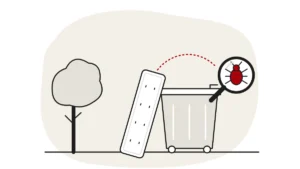
Often, yes. Outdoor temperatures in the UK go up and down, and bugs tucked inside a mattress, sofa or bag are sheltered from the coldest air. That’s a long way from the steady, deep cold needed to kill them. Leaving furniture outside overnight, or in an unheated shed or garage, isn’t a dependable way to kill them, and anything left on the street may be picked up by someone else. Our guide on whether bed bugs can live outside covers this in more detail.
Will turning off the heating or opening the windows kill them?
No. Raising or lowering the thermostat won’t get rid of bed bugs. A cold room just pushes the bugs into their resting state, and they can wait it out. In flats there’s another risk: when infested flats are left empty, bed bugs often move to nearby flats or reduce their activity until someone moves back in.
Other home tricks fail for similar reasons. Bed bugs are tougher than they look, as our article on whether bed bugs can survive in water shows.
Do bed bugs like heat or cold?
They do best in the warmth of a normal home. The BPCA article by Dr Knudsen says that under optimal conditions at 22°C the whole life cycle, from egg to adult, can take less than ten weeks, and that human heat and odours attract them at short distances. At room temperature eggs hatch in about a week, and cooler temperatures slow development.
That doesn’t mean they cope with any amount of heat. High enough temperatures kill bed bugs and their eggs, which is why hot washing and professional heat treatment work. Our guide to what temperature kills bed bugs explains the temperatures that matter.
Are bed bugs worse in summer or winter?
Bed bugs are a year-round problem in heated buildings. Travel matters more than the weather: the BPCA notes that bed bugs can be transported on items such as luggage and second-hand furniture. In February 2022, it urged hotels and other accommodation to check for bed bugs before the holiday season got underway, and to keep checking throughout the year. Whatever the month, after a trip it’s worth checking your luggage and washing travel clothes hot.
Bed bugs and climate: does the weather explain the rise?
The idea that cold kills bed bugs has some history behind it, but the history points to heating, not weather. Dr Naylor’s 2024 BPCA article explains that bed bugs were known to the ancient Egyptians, Greeks and Romans, and that the first British record dates from 1583. They are believed to have arrived on cargo ships and were slow to spread at first because of the cool climate. Improvements to housing construction and heating, along with transport, then allowed them to establish and spread.
The same article describes how infestations fell in the mid-20th century, helped by slum clearance and, from the mid-1940s, DDT and other insecticides, until bed bugs were hardly known for decades. Numbers began rising again towards the end of the 1990s, with cheap travel and dense populations helping them spread, and there is now widespread resistance to the insecticides that remain.
Warmth does help bed bugs. The BPCA article notes that warmer environments allow faster breeding. But because bed bugs live indoors, the warmth that matters most is inside our homes, hotels and transport, and that’s warm all year. We haven’t found UK evidence that warmer winters outdoors are the main driver of infestations, so we wouldn’t blame climate change on its own.
What to Do About Bed Bugs in Winter
Don’t wait for the cold to do the job. In the meantime:
- Hot wash and dry: the NHS advises washing affected bedding and clothing on a hot wash (60°C) and tumble drying on a hot setting for at least 30 minutes. Only throw away items that can’t be washed or treated.
- Freeze small items: bag anything that can’t be washed and freeze it for 2 to 3 weeks, as the NHS suggests.
- Keep checking: look along mattress seams, the bed frame, headboard and skirting boards for live bugs, shed skins and small dark spots.
- Don’t move things around: carrying infested furniture or bags into other rooms, the shed or a friend’s home can spread the bugs.
- Avoid foggers and bug bombs: they tend to scatter bed bugs into new hiding places. The BPCA warns against amateur treatments that could prolong an infestation.
Heat works where cold doesn’t, because a room can be heated far more reliably than it can be frozen. ThermoPest’s bed bug heat treatment is heat-led, with targeted spray where it’s needed. Bed bugs and their eggs die when held above about 50°C for long enough. We heat rooms to 50–60°C and hold that heat until the hardest-to-reach spots stay above 50°C. Rooms don’t heat evenly, so we place temperature monitors in known cold spots and hard-to-reach areas. A return visit may be needed, and if you live in a flat, we’ll ask to inspect neighbouring flats too.
FAQs
Do bed bugs die in cold weather?
Not normally. Cold weather slows bed bugs down, but it rarely lasts long enough or gets cold enough to kill them, especially indoors. Bugs inside a heated home aren’t affected by the weather outside.
Do bed bugs hibernate in winter?
Not as such. According to BPCA articles, below 13°C bed bugs become inactive, stop feeding and their eggs don’t hatch, and adults can survive like this for more than a year. When the room warms up, they become active again. In a heated home they usually stay active all winter.
How long can bed bugs live in the cold?
A long time. Bed bugs can survive without a blood meal for longer at cooler temperatures, and BPCA articles note that below 13°C adults can survive for more than a year. Even in heated buildings they can go months without feeding.
Are bed bugs more active in winter?
Not because of the cold. In a heated home they stay active all year. You might notice more or fewer bites at different times, depending on how warm your bedroom is, how much you cover up and whether you’ve travelled recently. The bugs don’t go away on their own in winter.
Can I leave my mattress outside to freeze bed bugs?
It isn’t a reliable method. A British winter doesn’t give the long, steady deep cold needed to kill them, and the inside of a mattress is sheltered. It also risks spreading bed bugs to anyone who takes the mattress. Bag it and arrange a proper collection if you’re getting rid of it.
Still finding signs this winter?
If you’ve found bites, spots on the sheets or bugs in the seams, the cold won’t clear them. An inspection will confirm what you’re dealing with. ThermoPest is a member of the BPCA and NPTA, and our technicians arrive in unmarked vans.