It depends on the method and your home. Heat treatment is carried out in a single visit, and most treatments are completed within a day. Spray treatments usually need at least two visits: Lambeth Council, for example, sprays twice, three weeks apart. The size of your home, clutter and the number of rooms affected all change the timing.
Reviewed by James Rhoades, Owner, ThermoPest · Last reviewed 16 October 2026
If you’ve just found bed bugs, you probably want to know how long your life will be on hold. This guide explains what happens at each stage of a heat treatment, how spray treatments are usually spread out, what makes a job take longer, and what you can do to keep things on track.
How long does professional bed bug treatment take?
There are two parts to the answer: how long the visit itself takes, and how long the whole process runs until you’re confident the bed bugs have gone. Heat and spray treatments differ most on the second part.
- Heat treatment works on the rooms during one main visit. Bugs and eggs are killed where the heat reaches them, so the visit is planned around getting every hard-to-reach spot hot enough. A follow-up visit is arranged if it’s needed.
- Spray (insecticide) treatment is usually spread over two or more visits, because a follow-up is needed to deal with bugs that weren’t killed first time, including young bugs that hatch from eggs after the first visit.
The table compares what two London councils publish about their spray treatments with how a heat treatment is run.
| What to compare | Heat treatment (ThermoPest) | Council spray treatment |
|---|---|---|
| Number of visits | One main visit; return visits may be needed | Lambeth: two visits. Camden: up to two visits |
| Gap between visits | Depends on what the follow-up check finds | Lambeth: three weeks apart. Camden doesn’t say |
| Back into the rooms | After 2 hours, unless your technician advises otherwise | Lambeth: wait three hours before re-entering treated rooms |
| Preparation | Follow our preparation guide before the visit | Both councils ask you to prepare; Camden says treatment may be affected if you don’t |
Council details are taken from Lambeth Council’s bed bug page and Camden Council’s pest control page, checked in October 2026. Other councils and private companies may work differently, so ask whoever is treating your home.
How long does bed bug heat treatment take?
It’s easier to understand the timing once you know what happens at each stage. Every job is different, so we don’t quote a set number of hours, but you should usually plan for us to be at your property for the day. Your technician will tell you how long to plan to be out of your home when the visit is booked, because that depends on your property.
1. Before the Visit: Preparation
Preparation is the part you control, and it makes a real difference to how smoothly the visit runs. You’ll usually be asked to strip and wash bedding, clear clutter from floors and around the bed, and leave items in the rooms being treated rather than moving them elsewhere, where they could spread bugs. Our heat treatment preparation guide lists exactly what to do.
2. Setting Up
The technician inspects the rooms, places the heating equipment and sets out temperature monitors. Furniture may be opened up or moved away from walls so warm air can get behind and underneath it. Anything that shouldn’t be heated is dealt with before the heating starts.
3. Heating and Holding the Heat
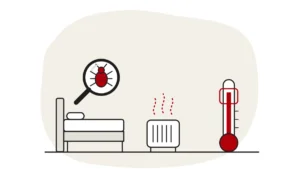
This is the main part of the visit. Bed bugs and their eggs die when held above about 50°C for long enough. We heat rooms to 50–60°C and hold that heat until the hardest-to-reach spots stay above 50°C. Rooms don’t heat evenly, so we place temperature monitors in known cold spots and hard-to-reach areas.
Because the heat is held until those cold spots are hot enough, rather than for a fixed time, the length of this stage varies from home to home. You can read more about what temperature kills bed bugs and their eggs, and whether heat treatment will damage furniture or electronics.
4. Cooling Down and Going Back In
Once the heating is finished, the equipment is switched off and the rooms are left to cool. You can usually go back in after 2 hours, unless your technician advises otherwise. Our bed bug aftercare guide explains what to do in the days and weeks after treatment.
5. A Follow-Up Visit, If It’s Needed
Some homes need a return visit, for example where the infestation is heavy, where bugs have spread to rooms or items that weren’t treated, or where they’re coming in from next door. Your technician will tell you what to look out for and when to get in touch.
What affects how long bed bug treatment takes?
No two homes heat the same way. These are the main things that make a job longer or more involved:
- Size of the property. A studio is a different job from a large house.
- How many rooms are affected. Bed bugs often start in the bedroom but can spread to sofas, other bedrooms and hallways. Every affected room needs treating.
- Clutter. Piles of clothes, boxes and bags slow down the movement of warm air and give bugs more places to hide. Clearing floors before the visit helps.
- Hard-to-heat spots. Built-in wardrobes, thick mattresses, wall voids and corners near cold external walls take longer to warm through.
- How far the infestation has spread. A small problem caught early is usually simpler than one that has been building for months.
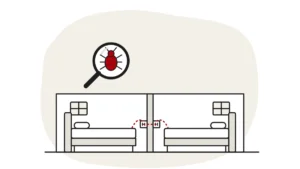
- Flats and neighbours. In blocks of flats, bed bugs can move between homes along shared walls, pipes and corridors. When we treat a flat, we ask to inspect neighbouring flats, because treating one home on its own can leave a source next door. Read more in can bed bugs come from neighbours?
How long does chemical treatment for bed bugs take?
Spray treatments usually take more than one visit, spread over weeks rather than days. Lambeth Council’s bed bug service is two visits, three weeks apart, and Camden Council’s residential service covers up to two visits. Camden also asks residents to keep affected rooms as warm as possible for up to 5 days before treatment, to encourage eggs to hatch.
Repeat visits are part of how spray treatments are designed. The NHS also notes that bed bugs can be hard to find and may be resistant to some insecticides, which is one reason it advises contacting your local council or a pest control service rather than relying on DIY. Our guide to chemical bed bug treatment explains how sprays work and their limits, and our comparison of council and private bed bug treatment sets out what London councils offer.
At ThermoPest, our bed bug heat treatment is heat-led, with targeted spray where it’s needed, so you get the benefit of heat with spray used only where it adds something.
What about fumigation, foggers and bug bombs?
We don’t use fogging. Fumigation is only used in certain circumstances: our technicians can use it where a job calls for it, but it isn’t a common method for us, and heat-led treatment is our usual approach. Shop-bought foggers, bug bombs and smoke bombs tend to scatter bed bugs into new hiding places rather than reach them where they shelter, which can make the problem harder and slower to sort out. If you’ve already used one, tell your technician.
How long does bed bug treatment take to work?
With heat, bugs and eggs are killed during the visit wherever the heat reaches them. That’s why monitoring the coldest spots matters so much: a bug sheltering somewhere that never got hot enough can survive.
With sprays, bugs have to come into contact with the insecticide, and eggs that hatch after the first visit are dealt with at the follow-up. That’s why spray services usually include a follow-up visit, as Lambeth Council’s does.
Whichever method was used, keep checking your bed and sofa in the weeks afterwards. If you’re still being bitten or finding live bugs, tell whoever treated your home rather than starting your own treatment.
How soon can bed bugs come back after professional treatment?
Bed bugs can be brought back in at any time after treatment, for example in luggage after a trip, on second-hand furniture, or from a neighbouring flat. Finding bugs again doesn’t always mean the treatment failed, but it does need checking quickly.
- Check luggage and bags after travel, and keep them off the bed.
- Check second-hand furniture carefully before bringing it indoors, as the NHS advises.
- If you live in a flat, tell your landlord or managing agent so neighbouring homes can be checked.
Bed bug treatments come with our 12-week guarantee, so if you see signs again after a ThermoPest treatment, call us so we can check.
How can you keep your treatment on track?
- Prepare fully. Follow the preparation list you’re given. Camden Council says its treatment may be affected if its preparation guidance isn’t followed, and the same principle applies to any treatment.
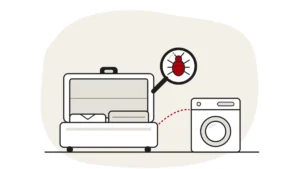
- Wash what you can. The NHS advises washing bedding and clothing on a hot wash (60°C) and tumble drying on a hot setting for at least 30 minutes. Only throw away items that can’t be washed or treated.
- Don’t move things to other rooms. Lambeth Council asks residents not to move anything out of rooms being treated, apart from rubbish and clothing to be washed. Moving items can spread bugs.
- Avoid DIY sprays before the visit. They can drive bugs deeper into hiding.
- Follow the aftercare advice. Report any live bugs promptly so they can be checked.
FAQs
How many treatments does it take to get rid of bed bugs?
It depends on the method and how established the infestation is. Heat treatment centres on one main visit, with a follow-up if it’s needed. Council spray services we checked use up to two visits; Lambeth’s are three weeks apart. Heavy infestations or bugs coming from next door can mean more visits.
Do I need to leave my home during bed bug treatment?
Yes. You can’t stay in the rooms while they’re being heated or sprayed. After a ThermoPest heat treatment you can usually go back in after 2 hours, unless your technician advises otherwise. Lambeth Council asks residents to wait three hours before re-entering rooms treated with its spray. Your technician will tell you how long to plan to be out when you book.
How long does professional bed bug removal usually take?
From first visit to being confident they’ve gone, it varies with the method, the size of your home and how far the bugs have spread. Spray treatments often need more than one visit; Lambeth Council’s are three weeks apart. Heat treatment is centred on one main visit, which usually means we’re at your property for the day, and you should keep checking for signs in the weeks afterwards.
Is it normal to see bed bugs after treatment?
It can happen, for example if bugs were sheltering in an item or room that wasn’t treated, or if new ones have come in from a neighbouring home. Don’t reach for your own sprays. Take a photo or keep the bug in a sealed bag if you can, and tell whoever treated your home so they can check.
Want to know how long your treatment will take?
If you’ve found signs of bed bugs, an inspection will confirm what you’re dealing with and how far it has spread, so we can plan the visit around your home. ThermoPest is a member of the BPCA and NPTA, and our technicians arrive in unmarked vans.