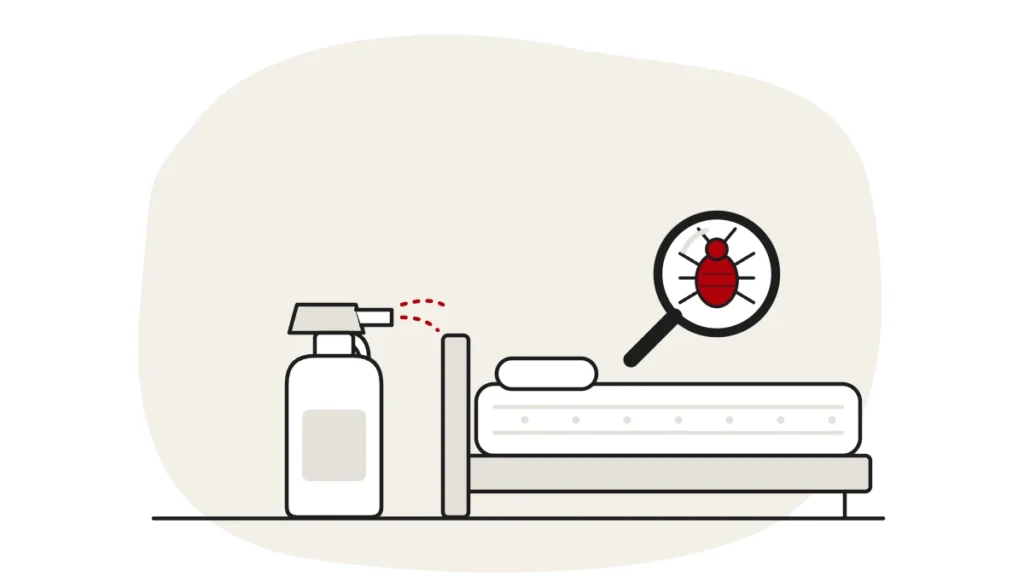
No, not in any useful way. Dettol is an antiseptic and disinfectant made to kill germs, not insects. Soaking a bed bug you can see might kill that one bug, but Dettol can’t reach the bugs and eggs hidden in seams and cracks, and it leaves nothing behind to catch them later. It won’t clear an infestation.
Reviewed by James Rhoades, Owner, ThermoPest · Last reviewed 15 October 2026
If you’ve just found bed bugs, reaching for the Dettol under the sink is an understandable first move. Below is what Dettol products are actually designed to do, what a disinfectant can and can’t do to a bed bug, how to stay safe if you’ve already used it, and what to do instead.
What is Dettol designed for?
“Dettol” covers a range of products, and none of them is sold as an insecticide. Going by Dettol’s own UK product information:
- Dettol Antiseptic Liquid (the brown bottle) contains chloroxylenol 4.8% w/v. Dettol UK describes it as suitable for first aid, medical and personal hygiene uses, such as cleaning minor cuts, grazes, bites and stings, and its label says to dilute it before use.
- Dettol surface sprays are made to kill bacteria and viruses on hard surfaces. Dettol UK’s page for its antibacterial surface cleanser says it isn’t suitable for fabrics.
- Dettol Laundry Sanitiser is added to the wash to kill bacteria and some viruses and remove odours.
None of these product pages mentions bed bugs or claims to control insects. The only insect reference is to cleaning insect stings. That isn’t a criticism of the products. They do the job they’re made for. Pest control just isn’t that job.
Can Dettol kill a bed bug on contact?
Possibly, if a bug is thoroughly soaked. Plenty of liquids can kill a small insect that’s drenched in them. But that tells you very little about whether Dettol is any good against bed bugs, for three reasons:
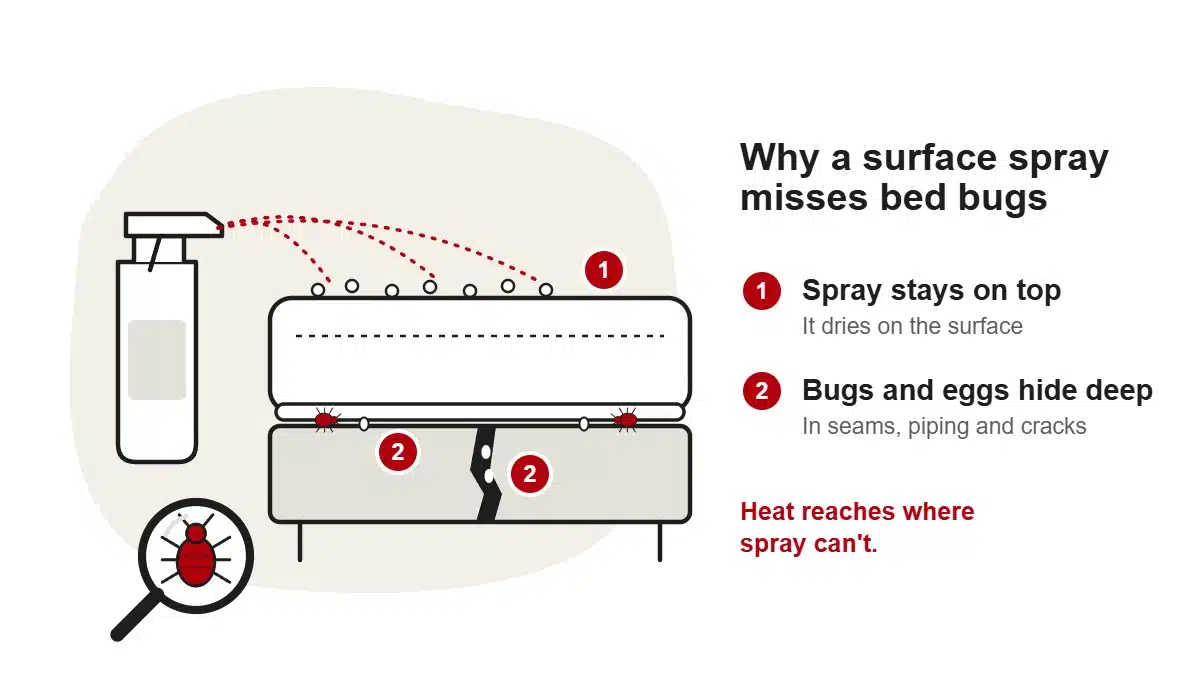
- You only see a few. Bed bugs spend most of their time hidden in mattress seams, bed frame joints, headboards, skirting boards and furniture close to the bed. The ones out in the open are a small part of what’s there.
- It doesn’t reach the hiding places. A spray or wipe stays on the surface. It doesn’t get deep into cracks, screw holes or the inside of a divan base.
- It does nothing once it’s dry. A disinfectant isn’t designed to leave a lasting effect against insects, so bugs that walk over a treated area later are unaffected.
Does Dettol kill bed bug eggs?
Don’t rely on it. Bed bug eggs are tiny, pale and glued into seams and cracks, usually in the same hidden places as the adults. A disinfectant is very unlikely to reach most of them, and there’s no evidence on Dettol’s product information that it affects eggs at all. Any eggs left behind will hatch, which is why killing the few bugs you can see doesn’t end the problem. Our guide on whether permethrin kills bed bugs explains why eggs are hard to reach even with insecticides.
Does Dettol spray or other disinfectant spray kill bed bugs?
Antibacterial and disinfectant sprays are made for germs on hard surfaces such as worktops, taps and door handles. They’re not designed for mattresses, sofas or carpets, and they’re not tested or labelled against bed bugs. The same goes for hand sanitiser and antibacterial wipes.
Spraying them around the bed can also make things harder: at best it kills the few bugs you can see while the rest stay hidden, and it can delay you getting the infestation properly checked while numbers grow.
| Product type | What it’s made for | Will it clear bed bugs? |
|---|---|---|
| Antiseptic liquid | First aid and personal hygiene, diluted | No. It may kill a soaked bug but doesn’t reach hidden bugs or eggs |
| Disinfectant surface spray | Germs on hard surfaces | No. Not designed for fabrics or for insects |
| Laundry sanitiser | Bacteria, some viruses and odours in the wash | No. For bedding and clothes, the hot wash and hot dryer do the work |
| Hand sanitiser and wipes | Germs on hands and small surfaces | No |
Can you use Dettol on a mattress or clothes?
We’d advise against using Dettol, or any disinfectant, as a bed bug treatment on bedding, mattresses or upholstery. If you’ve already done it, here’s how to stay safe:
- Don’t soak your mattress. A wet mattress is slow to dry, can go mouldy, and you’d be sleeping on whatever chemical has soaked in.
- Follow the label. Dettol Antiseptic Liquid’s label says to dilute before use, and the leaflet lists skin reactions, including contact dermatitis, as possible side effects. Don’t use products undiluted on skin or fabric unless the label says you can.
- Don’t mix products. Dettol UK’s surface cleanser page says not to use it with detergents or other disinfectants. Mixing cleaning chemicals can be dangerous.
- Open a window. Keep the room well ventilated, especially in a small bedroom, and keep children and pets away from damp, treated surfaces.
- Check the fabric. Products made for hard surfaces can mark or damage fabrics.
If you get liquid in your eyes, rinse them with cold water. If someone swallows a product or reacts badly to it, speak to a pharmacist, your GP or NHS 111.
Does Dettol and washing powder kill bed bugs on clothes?
Adding Dettol to the wash won’t make a cool wash kill bed bugs. Dettol UK describes its laundry sanitiser as killing bacteria and viruses, even in cold washes. It doesn’t say anything about insects. What matters for bed bugs is heat.
The NHS advises washing affected bedding and clothing on a hot wash (60°C) and tumble drying on a hot setting for at least 30 minutes. For items you can’t wash, it suggests sealing them in a plastic bag and putting them in the freezer for 2 to 3 weeks. You can use your normal detergent. Bag items up in the bedroom and carry them straight to the machine so you don’t drop bugs around the home.
Why won’t Dettol clear an infestation?
An infestation is a population living in places you can’t see, at every life stage from egg to adult. To clear it, a treatment has to reach those hiding places and deal with eggs as well as bugs, and the area needs checking again afterwards. A household disinfectant does none of that.
The NHS says there are some things you can try yourself, but these are unlikely to get rid of bed bugs completely, and recommends contacting your local council or a pest control service. It also notes that bed bugs may be resistant to some insecticides, which is one reason shop-bought sprays often disappoint too. Our article on whether Indorex kills bed bugs looks at that in more detail.
What chemical kills bed bugs and their eggs?
There’s no single household chemical that reliably kills bed bugs and their eggs. Insecticides sold for bed bugs are a different type of product from disinfectants. They’re made and labelled for insects, but resistance is a known problem and eggs hidden deep in cracks are hard to reach with any spray.
That’s why professional treatment usually combines methods rather than relying on one chemical. Heat is the main one we use, because it reaches into seams, joints and cracks where sprays struggle. Some people ask about other options, such as UV lamps; our guide on whether UV light kills bed bugs covers what that can and can’t do.
Please don’t try flammable liquids such as kerosene, paraffin, petrol or diesel. People do search for these, but they’re a serious fire and health risk in a bedroom, and they won’t clear an infestation either. Foggers and bug bombs aren’t the answer either: they tend to scatter bugs into other rooms and neighbouring flats.
What should you do instead?
- Confirm what you’ve found. Look for live bugs, small dark spots and pale shed skins in mattress seams, the bed frame and headboard. Keep a bug in a sealed bag or take a clear photo.
- Wash and dry on hot. Follow the NHS advice above for bedding and clothes.
- Vacuum the bed area. Empty the vacuum into a sealed bag and put it in an outside bin.
- Don’t move to another room or the sofa. Bugs follow people, and moving spreads them.
- Tell your landlord or managing agent if you rent or live in a flat, so neighbouring homes can be checked.
- Get an inspection so you know how far it’s spread before anything is treated.
ThermoPest’s bed bug heat treatment is heat-led, with targeted spray where it’s needed, so it reaches the bugs and eggs that a disinfectant can’t. Return visits may be needed, and in flats we ask to inspect neighbouring flats too. For a wider overview of your options, see our guide on how to get rid of bed bugs.
FAQs
Will Dettol kill bed bugs on clothes?
Not reliably. Adding Dettol to the wash doesn’t replace heat. The NHS advises a hot wash at 60°C and a hot tumble dry for at least 30 minutes for clothes and bedding that may have bed bugs on them.
Can Dettol kill bed bugs on a mattress?
It won’t reach the bugs and eggs inside seams, piping and the base, and soaking a mattress can leave it damp, damaged and unpleasant to sleep on. Don’t saturate your bed with disinfectant. Get the mattress and frame inspected instead.
Does Dettol repel bed bugs?
There’s no good evidence that it does. Bed bugs are drawn to people sleeping, not put off by the smell of a cleaned room, so a disinfected bedroom can still have bed bugs.
Does kerosene or petrol kill bed bugs?
Don’t use them. Kerosene, paraffin, petrol and diesel are flammable and give off harmful fumes, which makes them dangerous to use on beds or indoors. They won’t clear an infestation, and they can cause fires.
What’s the quickest way to deal with bed bugs?
There’s no instant home fix. The quickest safe steps are hot washing and drying bedding and clothes, not moving rooms, and booking an inspection so the whole infestation can be treated, including the eggs.
Tried Dettol and still seeing bugs?
That’s very common, and it isn’t your fault. An inspection will confirm what you’re dealing with and how far it’s spread. ThermoPest is a member of the BPCA and NPTA, and our technicians arrive in unmarked vans.