Bed bug guides
If you’re dealing with bed bugs, you’re probably asking one thing: what actually kills them?

4.9 / 5 on Google



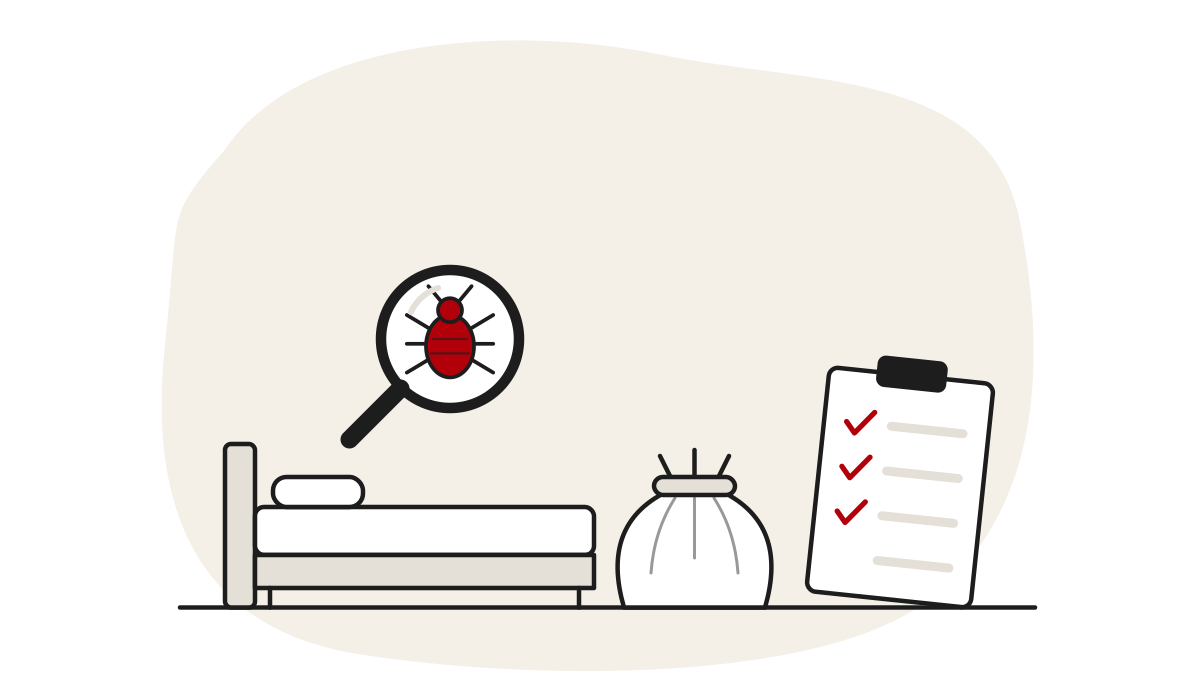
To get rid of bed bugs, confirm the signs first, then contain them: hot wash and tumble dry bedding and clothes, bag or freeze what you can’t wash, vacuum carefully and fit mattress encasements. Home steps cut numbers but rarely clear an infestation, because bugs and eggs hide deep in cracks, so most homes need professional treatment.
Reviewed by James Rhoades, Owner, ThermoPest · Last reviewed 15 October 2026
Finding bed bugs is upsetting, and it’s natural to want to do something tonight. This guide gives you a calm, step-by-step plan: what to do first, what home methods can and can’t do, what to avoid, and how professionals deal with an infestation. The advice follows the NHS page on bedbugs and our own experience as bed bug specialists.
Before you change anything, make sure you’re dealing with bed bugs. The NHS lists the signs as bites on skin exposed while sleeping, spots of blood on your bedding, and small brown spots on bedding or furniture, which are bed bug droppings. Adult bed bugs are around 5mm long, according to the NHS.
Check mattress seams, piping and labels, the bed frame joints and the headboard with a torch. Our guide on how to check for bed bugs takes you room by room, and what bed bugs look like helps you recognise adults, nymphs and eggs. If you live in a rented home, tell your landlord early, because neighbouring rooms or flats may need checking too.
Try to keep sleeping where you are. If you move to the sofa or a spare room, bed bugs tend to follow you and set up somewhere new. Keep the bed away from the wall and tuck bedding in so it doesn’t touch the floor. The NHS also advises not keeping clutter around your bed.
Put clothes, bedding and soft items into sealed plastic bags before you carry them through the home, and keep them sealed until they’re washed, dried or frozen. Bagging holds bed bugs in but doesn’t kill them quickly, as our guide on how long bed bugs live in a sealed plastic bag explains.
Don’t throw your bed or sofa out in a panic. Ask for advice first, because many items can be treated where they are. If something does have to go, wrap it in plastic and mark it as infested so nobody takes it home.
The NHS advises washing affected bedding and clothing on a hot wash (60°C) and tumble drying on a hot setting for at least 30 minutes. For items that can’t be washed, the NHS suggests putting them in a plastic bag in the freezer for 2 to 3 weeks.
The dryer matters most. A hot tumble dry can be used instead of washing and will kill all bed bug life stages. Our guide to washing, drying and ironing clothes to kill bed bugs covers delicate items, shoes and shared laundry.
A vacuum picks up bugs and eggs you can see on mattress seams, the bed frame, carpet edges and skirting boards. Seal the vacuum bag tightly after each use and put it straight into an outdoor bin. Be realistic, though: routine cleaning seldom reaches the places bed bugs actually hide, and bed bugs can survive being vacuumed up.
Zip-up mattress and divan encasements stop bugs getting in or out. Any bed bugs sealed inside eventually die. Interceptor cups under the bed legs catch bugs climbing up or down; check and clean them every week.
Think of both as monitoring tools. They show you whether bed bugs are still active, but they won’t clear the bugs hiding in the frame, the walls or nearby furniture.
It’s tempting to set off a bug bomb and leave the room. Don’t. Foggers are ineffective against bed bugs: the pesticide has to touch a bug to kill it, and the spray won’t reach the cracks and crevices where bed bugs hide during the day.
Rubbing alcohol, paraffin and petrol are flammable and could harm you and your family. Never use them on beds or furniture. If you use any insecticide, follow the label exactly.
Keep a note of where and when you find bugs. Inspect at least every 7 days in case eggs remain. You may have to repeat the steps more than once. New bites or bugs after a few weeks mean the infestation is still there.
Here’s how the common methods compare. Each one has a place, but only some deal with bugs and eggs hidden out of reach.
| Method | What it does | Its limits |
|---|---|---|
| Hot wash and tumble dry | Kills bugs and eggs in clothes, bedding and soft items | Only treats what goes in the machine |
| Freezing | Treats small items that can’t be washed | Slow; the NHS suggests 2 to 3 weeks |
| Vacuuming | Removes bugs and eggs you can see | Seldom reaches deep hiding places |
| Encasements and interceptors | Seal the mattress and show whether bugs are active | Monitoring tools, not a cure |
| Shop-bought sprays and dusts | Kill some bugs they touch | Miss hidden bugs and eggs; resistance is increasing |
| Foggers and bug bombs | Release pesticide into the air | Don’t reach bugs hiding in cracks and crevices |
| Professional heat-led treatment | Treats whole rooms, including furniture, seams and cracks | Needs preparation; a return visit may be needed |
If you want to know which methods kill bugs on contact, see what kills bed bugs instantly. For a closer look at single methods, read our guides to chemical bed bug treatment and diatomaceous earth for bed bugs, including how to use dusts safely.
You can do a lot to contain bed bugs, but clearing them yourself is hard. The NHS says it’s very difficult to get rid of bed bugs yourself because they can be hard to find and may be resistant to some insecticides, and that home methods are unlikely to get rid of them completely. It advises contacting your local council or a pest control service.
The main reasons DIY falls short:
Our guide to getting rid of bed bugs yourself goes through each home method in detail, with what to expect from it.
A good treatment starts with an inspection to find where the bugs are and how far they’ve spread.
At ThermoPest, our approach is heat-led, with targeted spray where it’s needed. Heat reaches into mattresses, furniture, seams and cracks where bugs and eggs hide, and spray is used only in the specific spots that need it. Read how bed bug heat treatment works. If you live in a flat, we’ll ask to inspect neighbouring flats too, because bed bugs move between homes. A return visit may be needed to make sure the problem is cleared.
After a residential heat treatment, you can usually go back in after 2 hours, unless your technician advises otherwise. Our bed bug treatments are covered by a 12-week guarantee. If you’re in the capital, see our bed bug treatment in London, and for costs see our pricing page.
4.9 / 5 on Google
FAQs
Can’t see your question? Call 0808 189 2310 and speak to a specialist.
Sometimes a very small, early problem can be contained, but it’s hard. The NHS says getting rid of bed bugs yourself is very difficult and unlikely to be complete, because they hide well and may resist insecticides. Use home steps to contain them, and contact your council or a pest control service.
There’s no instant fix. The fastest useful steps tonight are hot washing and tumble drying your bedding, bagging clothes, vacuuming the bed and fitting a mattress encasement. These cut numbers quickly, but hidden bugs and eggs remain, so book an inspection rather than waiting to see if they go away.
Yes, on a hot setting. The NHS advises tumble drying on hot for at least 30 minutes, and a hot dry can be used instead of washing and kills all life stages. Don’t overfill the dryer, and keep items bagged until they go in.
Eggs are the hardest stage to deal with. In fabrics, use a hot wash at 60°C and a hot tumble dry for at least 30 minutes, as the NHS advises. A hot tumble dry kills all bed bug life stages, eggs included. In furniture, cracks and walls, eggs are usually out of reach of home methods, which is why professional treatment is often needed.
It depends on how established the infestation is. You may need to repeat home steps more than once and should check at least every 7 days. With professional treatment, a return visit may be needed, and you should keep watching for new signs afterwards.
Yes, an infestation can be cleared, but bed bugs can be brought back in later on luggage, second-hand furniture or from a neighbouring flat. After treatment, keep your encasements on, check the bed regularly, and, as the NHS advises, check second-hand furniture carefully before it comes indoors.
Found bed bugs?
If you’ve found signs, an inspection will confirm what you’re dealing with and the best way to clear it. ThermoPest is a member of the BPCA and NPTA, and our technicians arrive in unmarked vans.
Prefer to call? 0808 189 2310
Talk to a specialist
Speak to a bed bug expert today. Tell us what you’ve found and we’ll come back to you with the right next step.
Enter Your Details To Request A Call Back
Enter Your Details To Request A Call Back


