In a heated home, adult bed bugs usually survive about 1 to 4 months without feeding, and up to a year or longer in rooms at about 13°C or cooler. Young nymphs give up sooner. That’s why an empty flat, a storage unit or a stored sofa can still hold live bugs.
Reviewed by James Rhoades, Owner, ThermoPest · Last reviewed 15 October 2026
If you’ve been away, moved out or put furniture into storage, it’s natural to hope the bed bugs have died off. This guide explains how long they really last without a blood meal, why cool rooms make it longer, whether they hibernate, and what that means for empty homes and stored belongings.
How long can bed bugs live without food?
Bed bugs feed only on blood, mostly human. Unlike most insects, they can go a long time between meals. Nymphs and adults can last months without feeding, and in a normally heated building a typical time without feeding is about 1 to 4 months.
Not every bed bug lasts as long. Older nymphs and adults hold out longest without a meal, while the youngest nymphs are the most fragile.
So the honest answer is “weeks to months, and sometimes longer”. It depends on three things: how old the bug is, how warm the room is, and how well it fed last time.
| Situation | How long without feeding |
|---|---|
| Adults and nymphs in a heated building | Typically about 1 to 4 months |
| Cool rooms, about 13°C or less | Potentially up to a year or longer |
| Newly hatched nymphs | Less time than older bugs, often a matter of weeks |
Can bed bugs survive without blood or a host?
Not for ever. A bed bug needs blood to grow and to breed. Nymphs must take a blood meal before each of their five moults, and adult females need to feed regularly to lay eggs. Without a host, a population can’t grow. But the bugs already there don’t die quickly. They stay tucked into seams and cracks, using as little energy as possible, until someone comes back to sleep or sit nearby.
Bed bugs also don’t live on people the way lice do. They feed for a few minutes, then crawl back to a hiding place. For more on when and how often they bite, see our guide to bed bug feeding habits and patterns.
How long can baby bed bugs survive without feeding?
Young nymphs are the most fragile stage, and newly hatched nymphs are the most vulnerable to starvation. Even so, they can last a few weeks, and an infested room usually has eggs, nymphs and adults together, so the adults outlast the youngest bugs. Our guide to identifying bed bug nymphs shows what to look for at each stage.
Do bed bugs hibernate or lie dormant?
Not in the way a hedgehog hibernates. Bed bugs have no true winter sleep. In a heated home, bed bugs carry on feeding whenever someone is there to feed on. What looks like “dormancy” is simply a hungry bug waiting in a hiding place, moving and feeding less, until a host returns.
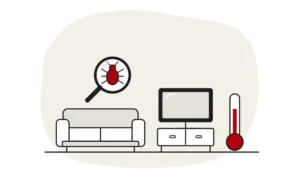
Temperature makes the biggest difference. Bed bugs survive without a blood meal for longer at cooler temperatures, and cooler temperatures or limited access to a host slow their development. In a warm, occupied bedroom they feed and breed. In a cold, empty room they slow right down and simply hold on.
Are bed bugs dormant in winter?
Indoors, not really. Most UK homes are heated through winter, so bed bugs carry on as normal. Winter makes more difference to places that sit cold and unused, such as a spare room with the radiator off, a loft, a garage or an unheated storage unit. Those are the places where bugs can last the longest without feeding. Outdoors is a different matter, which we cover in can bed bugs live outside?
Why can empty homes, storage and furniture still have live bugs?
Because bed bugs can wait for months, an empty space isn’t the same as a bug-free one. These are the situations where people are most often caught out.
An Empty Flat or House
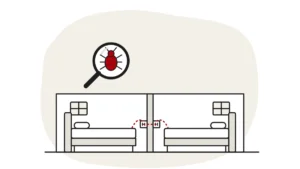
Leaving a home empty in the hope of starving an infestation is usually impractical. A few weeks away is nowhere near long enough, and in a cool, unheated property the bugs last even longer. When infested flats are left empty, bed bugs often move to nearby units looking for a meal. That’s one reason we ask to inspect neighbouring flats when we treat a flat, and why our guide to whether bed bugs can come from neighbours is worth reading if you live in a shared building.
Furniture in Storage
A sofa, bed frame or mattress put into storage takes its bed bugs with it. Bed bugs prefer wood and fabric to metal or plastic, and our technicians often find sofas and recliners are major hotspots. A storage unit is often cool, which, as above, stretches how long they can survive. When the furniture comes out months later, the bugs can become active again as soon as someone sits or sleeps on it.
Boxes, Bags and Things Stored Under the Bed
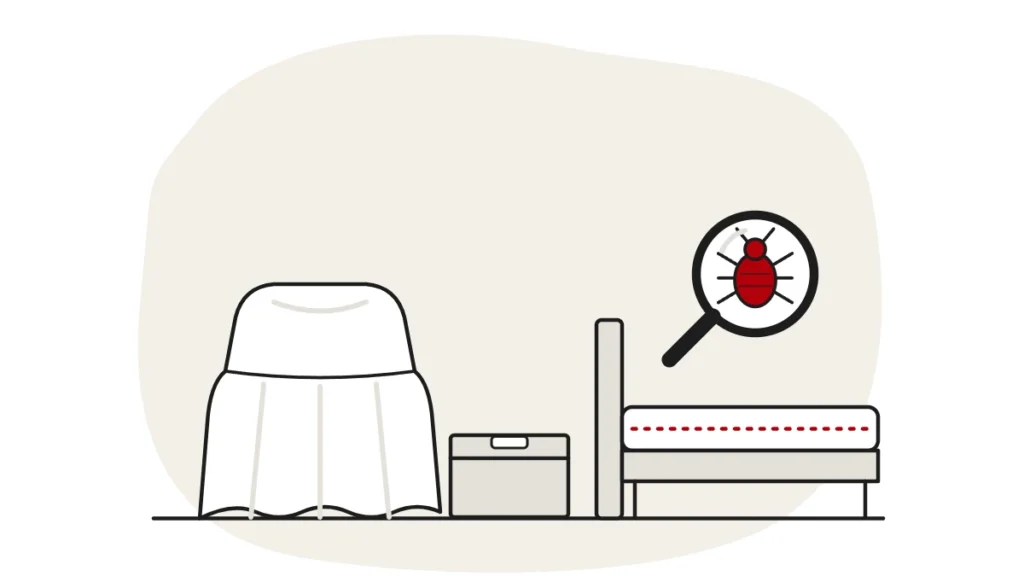
Bed bugs also frequently hide in items stored under beds. Boxes of clothes, suitcases and bedding packed away from an infested room can carry live bugs into a new home or back into a treated one. If you’re bagging items up, our guide on how long bed bugs live in a sealed plastic bag explains how to use bags properly.
Will turning the heating off or up starve them out?
No. Trying to get rid of bed bugs by raising or lowering the thermostat won’t work. Normal heating can’t get every hiding place hot enough to kill them, and turning it off just helps them survive longer without a meal.
Some household methods do kill bugs on individual items. The NHS advises washing affected bedding and clothes on a hot wash (60°C) and tumble drying on a hot setting for at least 30 minutes. Items that can’t be washed can go in a plastic bag in the freezer for 2 to 3 weeks. Water on its own isn’t reliable, as we explain in can bed bugs survive in water? None of these treat the room itself, and the NHS notes it’s very difficult to get rid of bed bugs yourself.
Avoid shop-bought foggers, bug bombs and smoke bombs. They tend to scatter bed bugs into walls and neighbouring rooms rather than clear them.
How long do bed bugs live?
With regular meals, a bed bug lives much longer than it would starving, often most of a year when it has what it needs. Eggs hatch in about a week at room temperature, and in warm conditions (about 21 to 27°C) with a ready supply of blood, a bug can grow from egg to adult in as little as a month. Our guide to the bed bug life cycle covers each stage in more detail.
How can you tell if bed bugs are still there?
Before moving back in, unpacking stored items or using furniture again, check with a torch. Look at mattress seams, bed frame joints, headboards, sofa seams and the folds of anything that was stored. Signs include:
- live bugs: the NHS says adults are about 5mm long and dark yellow, red or brown, while nymphs are smaller and lighter in colour;
- pale shed skins left behind as nymphs grow;
- small dark spots of droppings on fabric or wood;
- new bites after a night back in the bed or on the sofa.
Hungry bugs that have been waiting a while are flat and can be easy to miss. If you’re not sure, a professional bed bug inspection will confirm whether they’re still active.
What if bed bugs are still active?
Because bed bugs can outlast an empty home or a spell in storage, waiting isn’t a treatment. At ThermoPest, our approach is heat-led, with targeted spray where it’s needed, so it reaches the seams, joints and cracks where hungry bugs and eggs sit out the wait. Read how bed bug heat treatment works, or see our bed bug treatment in London page if you’re in the capital. Return visits may be needed, and our technician will talk you through what to expect.
FAQs
How long do bed bugs live in a bedroom when they have no food?
In a normally heated bedroom, a typical time without feeding is about 1 to 4 months. In a cold, unused room it can be much longer, potentially a year or more at about 13°C or below. Young nymphs die sooner than adults, but adults can keep an infestation going.
Can bed bugs survive without humans?
For a while, yes. Bed bugs mainly feed on human blood and can’t grow or breed without a meal, but they can wait months in seams and cracks without one. They don’t live on people; they feed and go back to hiding. That’s why empty homes and stored furniture can still have live bugs.
How long can bed bugs stay dormant?
Bed bugs don’t truly hibernate, but they can wait without feeding for weeks to months: typically about 1 to 4 months in heated buildings, and potentially a year or longer in cool conditions.
Can I starve bed bugs by leaving my home empty?
It’s very unlikely to work. Leaving a home empty to starve an infestation is usually impractical, and in empty flats bed bugs often move to nearby units. Changing the thermostat won’t kill them either. An inspection and professional treatment is the reliable route.
Worried bed bugs have waited you out?
If you’ve found signs after time away, or in furniture back from storage, an inspection will confirm whether the bugs are still active and where they’re hiding. ThermoPest is a member of the BPCA and NPTA, and our technicians arrive in unmarked vans.