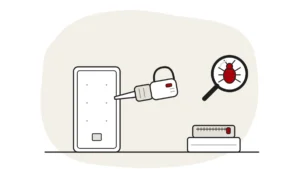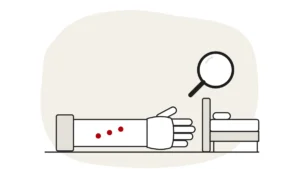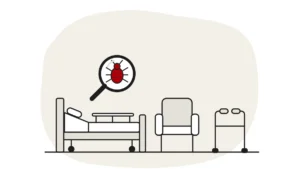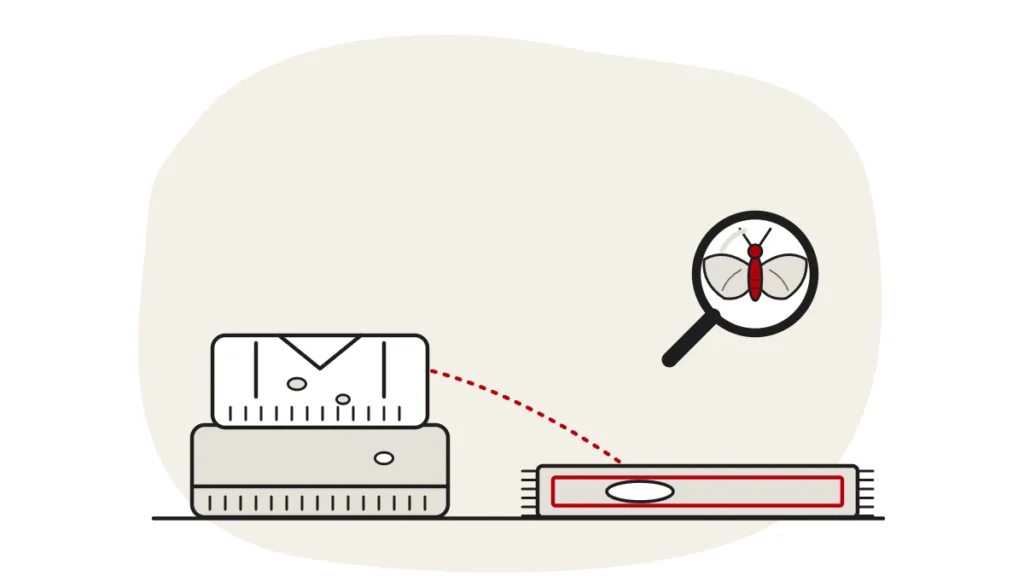
To get rid of carpet and clothes moths, find where the larvae are feeding, then deal with those spots: vacuum thoroughly, especially edges and under furniture, freeze or clean affected clothes, and store woollens sealed. Traps only show where moths are. If bare patches keep spreading after a few weeks, a professional treatment will reach larvae and eggs you can’t.
Reviewed by James Rhoades, Owner, ThermoPest · Last reviewed 15 October 2026
“Carpet moths” and “clothes moths” are usually the same species, just found in different places. This guide shows how to confirm what you have, what you can do yourself today, which natural remedies are worth trying, and when it’s time to call in help.
Carpet Moths and Clothes Moths: What You’re Dealing With
In UK homes the damage is usually caused by two species: the common clothes moth (Tineola bisselliella) and the case-bearing clothes moth (Tinea pellionella). The British Pest Control Association (BPCA) describes the common clothes moth as small, shiny and silvery-gold, about 5–8mm long. Both feed on the same things, so the same moth can damage a wool rug, a jumper and a sofa.
The adults don’t eat. The damage is done by the larvae: small, cream-coloured caterpillars that feed on keratin in natural fibres such as wool, silk, cashmere, fur and feathers. Case-bearing larvae carry a small silk case made from the fibres they’ve eaten.
Signs of Carpet Moths
- Bare or thinning patches in wool carpets and rugs, often along skirting boards, under beds and sofas, and behind doors, where it’s dark and rarely disturbed.
- Tufts that come away easily, with loose fibre and fine silk webbing at the base of the pile.
- Small cream larvae, silk cases or tubes in the pile.
- Small, pale gold moths that run or flutter low rather than fly towards lights.
Signs of Clothes Moths
- Small, irregular holes in wool, cashmere and silk, often in hidden places such as under collars, in folds and along seams.
- Frayed hems and cuffs, and fine silk webbing in drawers and wardrobe corners.
- Larvae or cases on stored clothes, especially items that haven’t been worn for a while.
Not every moth in the house is a problem. Larger moths that come in through windows at night and fly to the light are usually harmless garden species. Our guide on why there are so many moths in your house helps tell them apart, and are carpet moths dangerous? covers the health questions.
How to Get Rid of Carpet Moths: Step by Step
Carpet moths need a combination of steps, because eggs and larvae sit deep in the pile and at the edges of the room where you can’t see them.
- Find the hotspots. Move furniture and lift the edges of rugs. Look under beds, behind sofas and along skirting boards for bare patches, larvae and webbing. That’s where to focus.
- Vacuum thoroughly. Use a crevice tool along edges and skirting, under furniture and on both sides of rugs. Do this every few days at first. Empty the vacuum into a sealed bag and put it in the outside bin straight away.
- Treat rugs you can move. Small rugs can be frozen (see below). Valuable or antique rugs are best handled by a specialist rug cleaner.
- Check upholstery and other fabrics. Wool throws, cushions, felt pads under furniture and stored blankets can all harbour larvae and reinfest the carpet.
- Disturb and ventilate. Larvae prefer still, dark, undisturbed spots. Regular vacuuming under furniture and good ventilation make the room less suitable.
- Monitor. Put pheromone traps in the affected rooms to check whether adults are still around (see “Do moth traps work?” below).
How to Get Rid of Clothes Moths
- Empty the wardrobe or drawers. Take everything out and check each item, especially natural fibres and anything that’s been stored a long time.
- Clean the storage space. Vacuum corners, shelves, rails and the gaps under drawers, then wipe them down.
- Deal with affected clothes. Freezing is the safest option for woollens and delicates, because hot washes can damage natural fibres: the BPCA advises sealing items in a plastic bag and freezing at -18°C for at least two weeks, longer for larger amounts. Let items return to room temperature in the bag before opening.
- Store clean and sealed. Wash or clean clothes before putting them away, because moths are attracted to sweat and food stains. Store woollens in airtight boxes or sealed garment bags.
- Wear and air. Moths prefer clothes that sit untouched. Wearing, brushing and airing woollens regularly makes them less likely to settle.
Natural Carpet Moth Killers: What Works and What Doesn’t
| Method | What it does | Limits |
|---|---|---|
| Vacuuming | Removes larvae, eggs and adults from the surface and edges | Misses eggs deep in the pile and under fitted furniture; needs repeating |
| Freezing | Kills all stages in small items if cold enough for long enough | Only for things that fit in a freezer; no use for fitted carpet |
| Steam cleaning | Can kill larvae and eggs it reaches directly | Doesn’t reach everywhere; can shrink or damage wool, so test first |
| Lavender, cedar, rosemary | May put adults off laying eggs in stored clothes | Doesn’t kill larvae or eggs already there |
| Vinegar | Cleans surfaces | Won’t clear an infestation; see does vinegar kill carpet moths? |
| Diatomaceous earth | A fine powder that slowly dries out insects that crawl through it | Slow, not a quick kill; avoid breathing the dust and follow label safety advice |
Natural methods work best on a small, early problem you’ve found quickly. They struggle with an established infestation across a fitted carpet, where eggs and larvae are spread deep in the pile.
Do moth traps work?
Pheromone moth traps work as a detection tool, not a cure. They use a scent that copies female moths to attract and catch adult males. They don’t catch females, which lay the eggs, and they don’t touch larvae, which do the damage. So a trap full of moths doesn’t mean the problem is solved.
Use them to find out where moths are most active, by placing traps in different rooms and comparing catches, and to check whether activity is dropping after you’ve cleaned and treated. Put traps at floor level near carpet damage and inside wardrobes, and replace them as the maker recommends. Sticky traps without pheromones catch any insect that lands on them, which can also help with monitoring.
When to Call a Professional
The BPCA recommends contacting a professional for most infestations. Consider it if:
- bare patches keep appearing or spreading after a few weeks of vacuuming and cleaning;
- damage covers several rooms, fitted carpet or valuable rugs;
- traps keep catching moths week after week;
- you live in a flat or terrace and suspect moths are coming from next door.
Professional carpet moth treatment starts with an inspection to find every hotspot. At ThermoPest our moth heat treatment is heat-led, with targeted spray only where it’s needed, so heat does most of the work and reaches larvae and eggs deep in carpet pile, furniture and fabrics. Some cases need a follow-up visit, and we give aftercare and monitoring advice afterwards. Moth treatments are covered by our 12-week guarantee.

How to Stop Moths Coming Back
- Vacuum regularly, including under beds and sofas and along skirting boards.
- Move furniture and rugs from time to time so no area stays undisturbed for months.
- Clean clothes before storing them, and keep woollens sealed.
- Check second-hand and vintage clothes, rugs and furniture before bringing them in.
- Keep rooms well ventilated and dry.
- Keep a pheromone trap in rooms with wool carpets or rugs to spot new activity early.
FAQs
What is the fastest way to get rid of carpet moths?
Find the hotspots, then vacuum them thoroughly, including edges and under furniture, and repeat every few days. Freeze small rugs and affected clothes. For an established infestation across fitted carpets, professional treatment is quicker and more reliable than DIY methods, which can’t reach eggs deep in the pile.
What is a natural carpet moth killer?
Vacuuming and freezing are the most effective non-chemical methods. Steam can kill larvae it reaches directly. Lavender and cedar may deter adults from laying eggs but don’t kill larvae or eggs, and vinegar won’t clear an infestation.
Do moth traps get rid of moths?
No. Pheromone traps catch adult male moths only, so they can’t clear an infestation. They’re useful for finding where moths are active and checking whether treatment has worked.
Why do I keep finding moths after cleaning?
Eggs and larvae hidden deep in carpet pile, under furniture or in stored clothes keep hatching for weeks. If you’re still seeing moths or new damage after several weeks of regular vacuuming and cleaning, the source hasn’t been found or treated.
Can carpet moths spread to clothes?
Yes. Carpet moths and clothes moths are usually the same species, so moths from a carpet can lay eggs in wool clothes and the other way round. Check both when you find one.
Moths still eating your carpet?
If damage keeps spreading after you’ve cleaned and vacuumed, an inspection will find where the larvae are and what it will take to clear them. ThermoPest is a member of the BPCA and NPTA, and our technicians arrive in unmarked vans.