You can find bed bugs in a new home even if it looks spotless. They can survive for months in an empty property, and they hitch a lift in furniture and boxes, so you may find them weeks after moving in. Check the beds, furniture and skirting in your first few weeks, and act quickly if you find signs.
Reviewed by James Rhoades, Owner, ThermoPest · Last reviewed 16 October 2026
Finding bites or small dark marks soon after you’ve moved is unsettling, especially when the place looked spotless on moving day. This guide covers what to check when you move in, why an empty or freshly cleaned home can still have bed bugs, whether they came with you or were already there, and who is usually responsible if you rent or have just bought.
What to Check When You Move Into a New Home
The first few weeks are the best time to look, before your own furniture and belongings fill every gap. Bed bugs hide in cracks close to where people sleep or sit, and come out at night to feed.
Where to Look
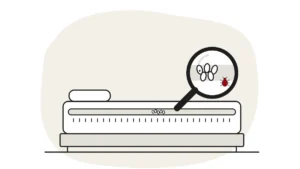
- Mattress seams, piping, labels and the underside of the mattress, including any mattress or bed left by the previous occupant.
- Bed frame joints, slats, the headboard and the back of the headboard where it meets the wall.
- Sofas and armchairs: under cushions, along seams and underneath.
- Skirting boards, the edges of carpets, loose wallpaper, picture frames and plug sockets near the bed.
- Bedside tables, drawers and any built-in or left-behind furniture.
What You’re Looking For
Use a torch. The NHS lists these signs:
- live bugs, which the NHS says can be dark yellow, red or brown (adults are around 5mm long);
- small brown spots on bedding or furniture, which are bed bug droppings;
- spots of blood on your bedding;
- bites, often on skin left uncovered while sleeping, such as the face, neck and arms.
You may also find pale shed skins in seams and cracks. Bites on their own don’t confirm bed bugs, because some people don’t react to them and other bites and rashes look similar. Look for the physical signs too.
Keep Checking for the First Few Weeks
A light infestation can be hard to spot, and bugs that have been waiting in an empty home may only become noticeable once people are sleeping there again. Check the bed every week or so for the first month, and straight away if you wake up with new bites.
Can bed bugs live in an empty house?
Yes, for a long time. Nymphs and adults can go months without feeding in a heated building, and longer still in cool conditions. The British Pest Control Association (BPCA) also says bed bugs can survive up to a year without feeding.
In our experience, when an infested flat is left empty, bed bugs often spread to nearby units or reduce their activity until it’s lived in again. Leaving a home empty to “starve” an infestation is usually impractical. So a property standing empty between tenants or owners isn’t a reliable sign that it’s clear.
For more on survival times, see our guide to how long bed bugs can live without feeding.
Why a Clean Home Can Still Have Bed Bugs
Bed bugs feed on blood, not dirt or food waste. The NHS says they’re found in both clean and dirty places, and the BPCA says infestations generally spread through bad luck. A professional end-of-tenancy clean or fresh decorating doesn’t reach the cracks, joints and voids where bugs and eggs hide.
In flats and shared buildings there’s another route. Bed bugs can crawl from room to room, or floor to floor, through cracks and openings in walls, floors and ceilings. If you’re in a flat, read our guide on whether bed bugs can come from neighbours.
Did the bed bugs come with you, or were they already there?
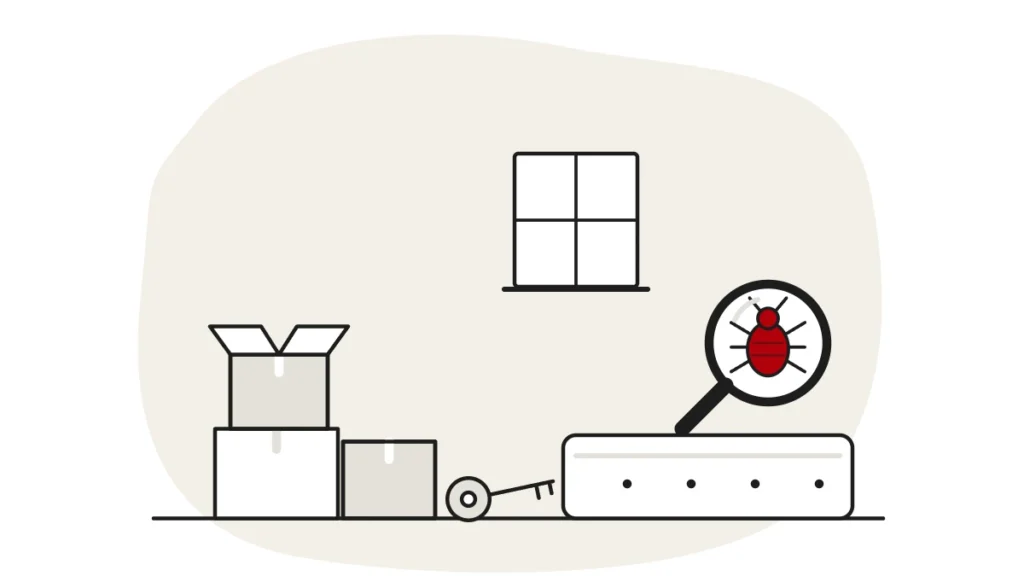
Honestly, it’s often impossible to tell for certain. Bed bugs are hitchhikers. The BPCA says they’re usually introduced on luggage, bags and clothing, and through second-hand beds, furniture and possessions. A move puts all of that in boxes, vans and storage at the same time, so there are several possible routes in.
Some clues can point one way or the other, but none of them is proof:
| What you notice | It might suggest | Why it isn’t proof |
|---|---|---|
| Signs on furniture or a mattress left in the property | The bugs were there before you | Bugs can move from your belongings onto nearby furniture |
| Old, faded droppings and many shed skins on the first check | An established infestation that pre-dates your move | Ageing marks by eye is unreliable |
| Signs only on items you brought, such as your own bed or sofa | They came with your belongings | Bugs already in the room will move onto the nearest bed |
| You had bites or signs at your old address | They travelled with you | You could have had two separate problems |
| Neighbours in the block have had bed bugs | They’re coming from next door | Spread between flats can go either way |
What helps most is a written record made early: dated photos of exactly where you found signs, a note of which furniture came with the property and which is yours, and a professional inspection report. That record matters more than guessing, especially if you need to raise it with a landlord, seller or removal company.
What to Do If You Find Bed Bugs After Moving In
- Confirm what you’ve found. Take clear, dated photos of any bugs, droppings or shed skins. Not every small insect near a bed is a bed bug.
- Don’t move furniture between rooms. Carrying beds, sofas or bags from room to room can spread the bugs further. Keep boxes you haven’t unpacked yet closed.
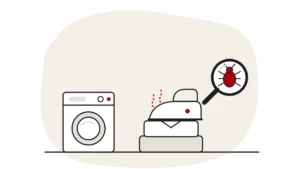
- Wash what you can. The NHS advises washing affected bedding and clothing on a hot wash (60°C) and tumble drying on a hot setting for at least 30 minutes. For items that can’t be washed, the NHS suggests sealing them in a plastic bag and putting them in the freezer for 2 to 3 weeks.
- Don’t throw everything out. Only get rid of items that can’t be washed or treated. Bugs are usually hiding in the room as well as the mattress, so a new bed can end up infested too. If you do need to dispose of something, see how to dispose of infested furniture and mattresses safely.
- Avoid foggers and bug bombs. They tend to scatter bed bugs into new hiding places, including neighbouring rooms and flats. The NHS says it’s very difficult to get rid of bed bugs yourself.
- Tell the right people early. If you rent, report it to your landlord or agent in writing. If you’ve just bought, or think the removal company brought them, keep your records and see the section below.
- Get a professional inspection. A bed bug inspection confirms whether it’s bed bugs, shows how far they’ve spread, and gives you a written record with photos.
Treatment works best before the bugs settle into your belongings. At ThermoPest our bed bug heat treatment is heat-led, with targeted spray where it’s needed, so it reaches furniture, seams and cracks where bugs and eggs hide. In flats, we ask to inspect neighbouring flats too, and a return visit may be needed. You can see what affects the cost on our pricing page.
Who is responsible: renting, buying or the removal company?
This depends on where you live, your agreement and the facts, so treat this as a starting point and use the guides linked below for detail.
If You Rent in England
Shelter’s guide to pests in rented homes, which lists bed bugs among the pests it covers, says: “If pests were there when you moved in, they should sort this out.” It also says your landlord must make sure your home is fit to live in during the whole tenancy, and that you need to tell them about a problem as soon as you notice it. Shelter adds that a landlord doesn’t usually have to deal with pests in neighbouring properties.
That’s why the early record matters: reporting quickly, in writing, with dated photos, gives you the best chance of showing the bugs weren’t something you brought. Our guide on what to do if your landlord won’t treat bed bugs walks through the steps, and our guide to bed bugs and the Renters’ Rights Act explains what has changed for private renters and what is still to come.
If You Rent in Wales, Scotland or Northern Ireland
The rules are different. In Wales, the Welsh Government’s fitness for human habitation guidance for contract holders includes “exposure to pests” among the matters it covers. In Scotland, see Shelter Scotland’s advice on pests. In Northern Ireland, start with nidirect’s guide to housing standards in rented accommodation, and get advice on your own situation.
If You’ve Just Bought
Buying is less clear-cut than renting. What matters is what the seller told you during the sale, in their property information form and replies to your conveyancer’s enquiries, so speak to your conveyancer before you take it further. Keep your photos and inspection report. Our guide to selling a house with bed bugs explains what sellers are asked and the rules on what estate agents must tell buyers.
If You Think the Removal Company Brought Them
Vans, blankets and storage can carry bed bugs between jobs, but so can your own belongings, so it’s hard to prove. Our guide on what to do if a moving company brings bed bugs covers how to document it and raise it with the company.
How to Avoid Bringing Bed Bugs Into Your Next Home
- Check your own beds, sofas and luggage before you pack, especially if you’ve had bites.
- Be careful with second-hand furniture. The NHS advises not to bring it indoors without checking it carefully first; our guide to checking second-hand furniture for bed bugs shows you how.
- Wash and hot-dry bedding and clothes before packing if you have any doubt, following the NHS advice above.
- Use sealed plastic boxes or well-taped boxes for soft items, and unpack the bedroom first so you can check it properly.
- Ask whether furniture left in a property has been checked, and look at it yourself before you sleep on it.
This is general information, not legal advice. Checked: October 2026.
FAQs
How long can bed bugs live in an empty house?
Months, and sometimes longer, especially in cool conditions. The BPCA says bed bugs can survive up to a year without feeding. An empty property isn’t a reliable sign it’s clear.
How do I check for bed bugs in a new flat or house?
With a torch, check mattress seams, bed frame joints, the headboard, sofas, skirting boards and plug sockets near the bed. Look for live bugs, small brown spots, blood spots on bedding and pale shed skins. Check again every week or so for the first month.
Can a professionally cleaned house still have bed bugs?
Yes. The NHS says bed bugs are found in both clean and dirty places. Cleaning removes dirt but doesn’t reach the cracks, joints and voids where bugs and eggs hide, so a spotless home can still have them.
Is my landlord responsible for bed bugs that were there when I moved in?
In England, Shelter says that if pests were there when you moved in, your landlord should sort it out. Report it in writing as soon as you notice, with dated photos. The rules differ in Wales, Scotland and Northern Ireland.
Should I throw away my mattress if I find bed bugs after moving?
Not straight away. Bugs usually hide around the room as well as in the mattress, so a new one can quickly become infested. Wash bedding at 60°C and tumble dry hot, as the NHS advises, and get the room inspected before you replace anything.
Found signs in your new home?
An inspection will confirm what you’re dealing with and give you a written record with photos, which helps if you need to raise it with a landlord or seller. ThermoPest is a member of the BPCA and NPTA, and our technicians arrive in unmarked vans.