Yes, bed bugs can affect how you feel as well as your skin. Anxiety and insomnia can follow bed bug bites, and worry, broken sleep and embarrassment are common. Bed bugs aren’t a sign of a dirty home, and for many people the stress eases once the problem is confirmed and dealt with.
Reviewed by James Rhoades, Owner, ThermoPest · Last reviewed 15 October 2026
If you’re reading this late at night, unable to settle because you’re worried about what’s in the bed, you’re not alone and you haven’t done anything wrong. This guide covers why bed bugs can feel so distressing, what helps with sleep and shame, and where to get support if the worry doesn’t lift. We’re pest specialists, not doctors, so we describe what people commonly go through and point you to NHS help rather than diagnose anything.
Why do bed bugs cause so much anxiety?
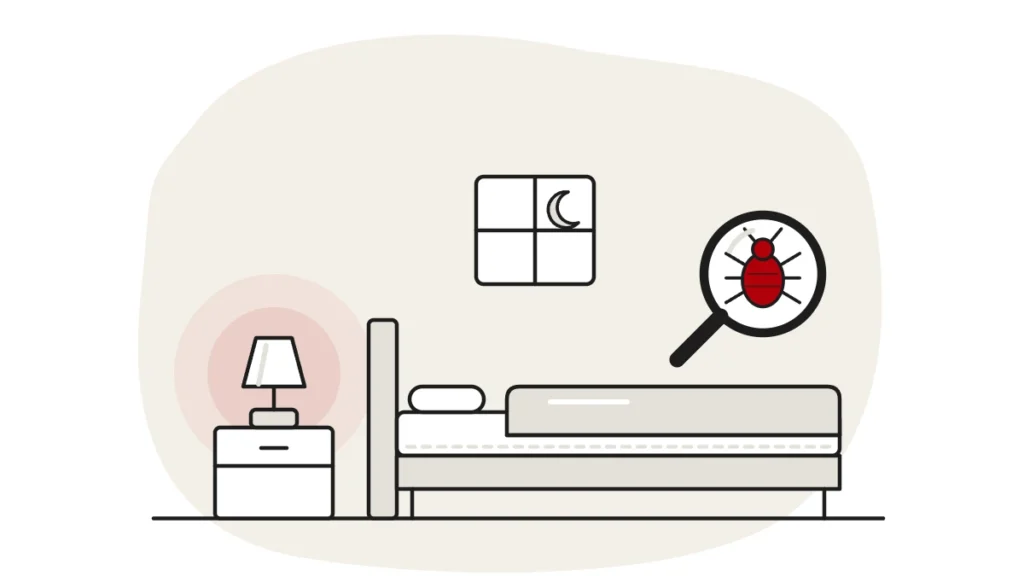
Bed bugs turn up in the one place you’re meant to feel safe, and they’re active while you sleep. They’re small, they hide in seams and cracks, and you often find the bites before you find the bugs. That mix of uncertainty and lost sleep is a very natural recipe for worry.
Common feelings people describe include:
- dread at bedtime, or putting off going to bed;
- checking the sheets, mattress and your skin again and again;
- noticing every itch and wondering if it’s a bite;
- worrying about carrying bugs to work, school or a friend’s home;
- feeling embarrassed, and not wanting to tell anyone.
Bites can cause itching and loss of sleep, and can lead to insomnia and anxiety. These reactions make sense: you’re dealing with a real, stressful problem.
What the Research Says
There isn’t a lot of research, and most of it is small. What has been published mentions distress, anxiety and insomnia again and again, but much of it is anecdotal. The few direct comparisons suggest that people living with bed bugs are more likely to report anxiety symptoms and sleep disturbance.
So the honest summary is this: feeling anxious and sleeping badly during an infestation is widely reported and understandable, and the evidence is still limited.
Fear of Bed Bugs: When Worry Takes Over
Some people searching for “bed bug phobia” or “fear of bed bugs” have never had them. They’ve seen a news story, stayed in a hotel or heard about a neighbour, and the thought has stuck. Others have had bed bugs before and find it hard to relax even after the problem has been dealt with.
A few things can help bring the worry back to a manageable size:
- Swap guessing for facts. Learn what the real signs look like, check once properly in daylight with a torch, and then stop. Our guide on how to check for bed bugs shows you where to look.
- Know what they can’t do. Bed bugs are not known to spread diseases to people, and the NHS says bites don’t usually cause other health problems. Stories about bugs crawling into ears are mostly myth, as we explain in can bed bugs go in your ear?
- Limit the checking. Repeated checking through the night tends to feed the worry rather than settle it. If you’ve checked properly, give yourself permission to stop.
- Talk to someone. The NHS advice on anxiety, fear and panic suggests talking through your feelings with a friend, family member, health professional or counsellor.
Feeling Bites or Crawling When Nothing Is Found
After an infestation, it’s very common to become alert to every itch. Many things cause itchy skin and bite-like marks, from other insects to hives, which stress itself can trigger. Our guides on getting bitten at night with no bed bugs in sight and bed bug bites vs hives cover the other causes to rule out. If careful checks and a professional inspection find nothing but the feeling carries on, please speak to a GP. They can look at your skin and how you’re feeling together.
How to Sleep When You’re Worried About Bed Bugs
Lost sleep makes everything feel harder, including the worry itself. These steps combine NHS sleep advice with practical pest advice.
Make the Bed Feel Safer
- The NHS advises washing affected bedding and clothing on a hot wash (60C) and tumble drying on a hot setting for at least 30 minutes. Fresh, hot-washed bedding can help you feel more settled.
- Pull the bed a little away from the wall and keep bedding off the floor, so the bed isn’t touching other furniture.
- Try to keep sleeping in your own bed. Moving to the sofa or another bedroom can spread bugs to new furniture and rooms.
- Bed bugs aren’t put off by light, so sleeping with the lights on won’t stop them, and it will make good sleep harder.
- Don’t use foggers, bug bombs or smoke bombs. They tend to scatter bed bugs into new hiding places, which can make the problem, and the worry, last longer.
Look After Your Sleep Routine
The NHS Every Mind Matters sleep advice suggests:
- going to bed and waking up at around the same time each day;
- giving yourself time to relax before bed, and putting your phone away;
- avoiding tea, coffee and alcohol for at least 6 hours before bed.
If bites are very itchy and keeping you awake, a pharmacist can suggest something to ease the itch. If poor sleep carries on after you’ve changed your habits, the NHS advises speaking to a GP.
Is having bed bugs embarrassing?
It can feel that way, but it shouldn’t. Bed bugs are not a hygiene problem. The NHS says bed bugs are found in both clean and dirty places; how clean a place is doesn’t determine whether bed bugs are present. They feed on blood, not dirt or crumbs, and they usually travel in on luggage, clothing, bags or second-hand furniture.
Anyone can pick them up: in a hotel, on a trip, from a visitor or from a neighbouring flat. Having bed bugs says nothing about you or your home.
Why the Stigma Matters
Shame is one of the hardest parts for many people, and it can make things worse in practical ways. People put off telling a landlord, delay getting help, or try shop-bought products quietly while the infestation spreads. Some stop inviting friends round or avoid visiting others. That isolation can make the anxiety heavier.
Speaking up early is usually the kindest thing you can do for yourself and the people around you:
- If you rent, tell your landlord or housing provider in writing as soon as you can, so the problem can be dealt with.
- If you live in a flat, bed bugs can move between neighbouring homes. When we treat flats, we ask to inspect neighbouring flats too, so the problem doesn’t keep coming back.
- If you’re visiting friends, a quick, matter-of-fact word is better than avoiding them. Most people are more understanding than you expect.
Practical Steps That Ease the Stress
Much of the distress comes from not knowing: are they bed bugs, how many, where are they? Getting a clear answer is often the turning point.
- Confirm what you’re dealing with. Look for live bugs, pale shed skins, small dark spots and blood spots on sheets, especially along mattress seams and bed frame joints.
- Avoid quick fixes that scatter bugs. The NHS says it’s very difficult to get rid of bed bugs yourself and suggests contacting your local council or a pest control service.
- Get a professional opinion. A professional bed bug inspection confirms whether bed bugs are present and how far they’ve spread. At ThermoPest, if treatment is needed, it’s heat-led, with targeted spray where it’s needed, and a return visit may be needed to make sure the bugs are gone.
- Have a plan for afterwards. Knowing what to look out for, and who to call if you’re unsure, makes it easier to stop checking once the problem has been dealt with.
Where to Get Support With How You’re Feeling
Worry and low mood during an infestation are understandable, but you don’t have to manage them alone.
- Talk to someone you trust. Sharing it often takes some of the weight off.
- Speak to a GP if you’re struggling to cope with anxiety, fear or panic, or if things you’re trying yourself aren’t helping. That’s the NHS advice.
- NHS talking therapies: the NHS says you can refer yourself without speaking to a GP for problems such as anxiety, low mood and worry, if you’re registered with a GP and aged 18 or over (16 or over in some areas). See NHS talking therapies.
- NHS 111: if you need help sooner, use 111 online or call 111 and select the mental health option. The NHS says 111 will tell you the right place to get help.
- Self-help: NHS Every Mind Matters has free advice on anxiety and sleep.
If you’re struggling and need someone to talk to at any time, day or night, you can call Samaritans on 116 123.
FAQs
Can bed bugs affect your mental health?
They can affect how you feel. Anxiety and insomnia are recognised effects of bed bug bites, and research reviews report distress, anxiety and sleep problems, though the evidence is limited and mostly from small studies. If worry or low mood carries on, speak to a GP or refer yourself to NHS talking therapies.
Can you get PTSD from bed bugs?
We can’t diagnose, and there’s little research on this. What’s widely reported is that some people stay anxious, keep checking or struggle to sleep long after the bugs have gone. If that’s you, speak to a GP. NHS talking therapies lists PTSD, OCD and phobias among problems you can refer yourself for.
Are bed bugs caused by poor hygiene?
No. The NHS says bed bugs are found in both clean and dirty places, and how clean a place is doesn’t determine whether bed bugs are present. They usually arrive on luggage, clothing or second-hand furniture, or move between neighbouring flats.
How do I stop being scared of bed bugs?
Swap guessing for facts: learn the real signs, check properly once rather than repeatedly, and remember that bed bugs are not known to spread disease. If you suspect them, an inspection gives you a clear answer. If fear is affecting daily life, a GP or NHS talking therapies can help.
Need a clear answer?
If you’ve found signs and the worry is keeping you up, an inspection will confirm what you’re dealing with, without judgement. ThermoPest is a member of the BPCA and NPTA, and our technicians arrive in unmarked vans.