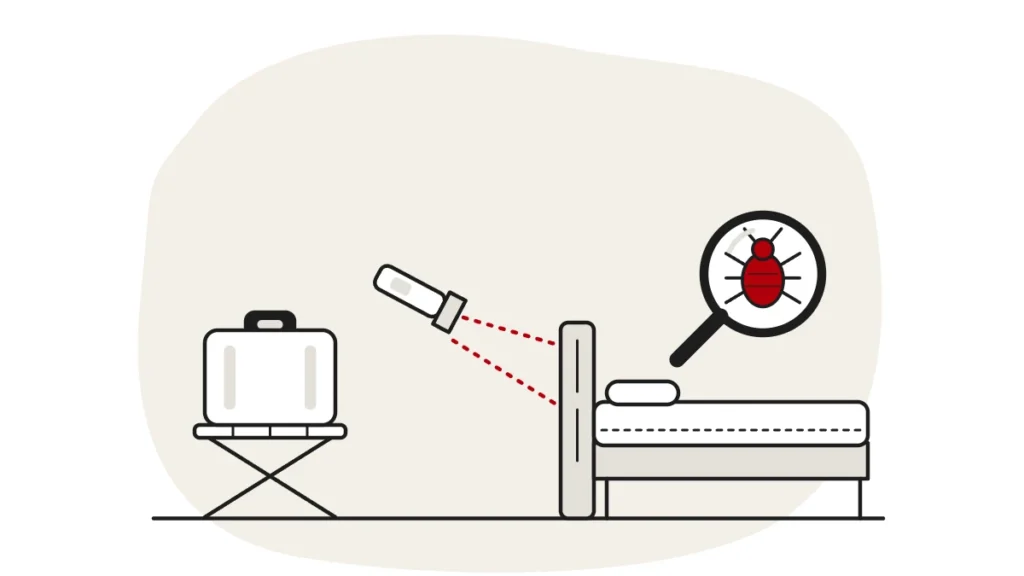
To check a hotel room for bed bugs, put your bag in the bathroom or on the luggage rack first. Then, with your phone torch, look along the headboard edges, pull back the sheets and check the mattress seams and corners, and look over the bedside tables. You’re looking for live bugs, shed skins and small dark spots.
Reviewed by James Rhoades, Owner, ThermoPest · Last reviewed 16 October 2026
The check takes a few minutes and is best done before you unpack. This guide covers what to look for and where, what to do if you find something, and how to avoid taking bed bugs home with you.
How do you check a hotel room for bed bugs?
Do it as soon as you arrive, before anything goes on the bed, the sofa or the carpet. The British Pest Control Association (BPCA) advises checking the mattress and soft furnishings before putting your luggage on the bed or chairs.
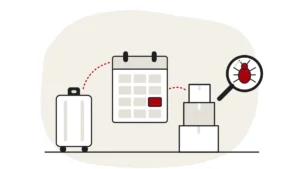
- Park your luggage. Leave your case in the bathroom, on a hard floor, or on the metal luggage rack pulled away from the bed and walls.
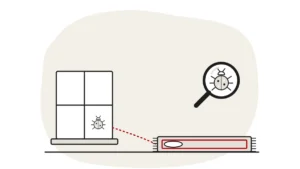
- Check the headboard. Shine your torch along the top, sides and the gap where it meets the wall. In our experience, headboards are a common hiding place in hotel rooms. Don’t try to take a headboard off the wall; that’s a job for the hotel.
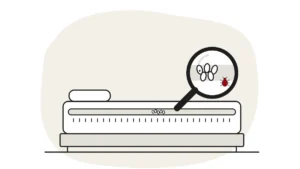
- Check the mattress. Pull back the sheets at the head end. Look along the seams, piping, corners and any labels, and lift the edge to see the underside and the base or bed frame.
- Check the sheets and pillows. Look for small blood spots or dark marks.
- Check bedside furniture. Look at the joints and drawer edges of bedside tables, and the seams of any chair or sofa near the bed.
Rooms are often dimly lit, so a torch makes a real difference. For a fuller walk-through of what to look for anywhere you sleep, see our guide on how to check for bed bugs.
Signs of Bed Bugs in a Hotel Room
Bed bugs are small and good at hiding, so you’re often more likely to see the signs they leave than the bugs themselves.
| Sign | What it looks like | Where to look |
|---|---|---|
| Live bugs | Flat, oval and brown or reddish; the NHS says adults are around 5mm long | Mattress seams, headboard edges, bed frame joints |
| Droppings | Small dark brown or black spots, like ink dots | Mattress seams and underside, bed frame, headboard |
| Blood spots | Tiny red or rusty marks | Sheets and pillowcases |
| Shed skins | Pale, empty, bug-shaped casings | Seams, corners and cracks near the bed |
| Bites | Itchy bumps, often in a line or cluster | Skin left uncovered while you slept |
Not everyone reacts to bites, so no bites doesn’t mean no bed bugs. And bites on their own can’t confirm bed bugs, because other insects and skin conditions look similar.
What to Do If You Find Bed Bugs in Your Hotel Room
Try not to panic. A sighting doesn’t mean your belongings are affected, and acting calmly now makes it far less likely you’ll take any home.
1. Keep Your Things Off the Bed and Furniture
Leave your luggage zipped and on a hard surface, such as the luggage rack, the bath or the bathroom floor. Don’t move items around the room.
2. Take Photos
Photograph what you’ve found, close up and with the bed in shot, and note the date and room number. If you can, catch a bug on a piece of clear sticky tape. This helps the hotel act quickly, and it’s useful if you later need to make a complaint.
3. Tell Reception and Ask for Another Room
Report it discreetly and ask to move, ideally to a room in a different part of the hotel, because infestations can spread to nearby rooms. In practice, that means not next door and not directly above or below.
4. Check Your Things Before You Move Them
Look over your case seams and any clothes that were out before you take them to the new room. Keep clothes bagged and the case zipped for the rest of your stay.
5. Avoid Spraying Anything Yourself
Shop-bought sprays, foggers and bug bombs tend to scatter bed bugs into new hiding places rather than clear them, and they won’t fix the room. The BPCA notes that DIY treatments often fail. Leave the room to the hotel and its pest controller.
If you were bitten, lost belongings or had your stay disrupted, our guide to claiming against a hotel for bed bugs explains your options and the records worth keeping.
What to Do If You Slept in a Hotel With Bed Bugs
If you only spot signs in the morning, or bites appear after you’ve checked out, the steps are the same: photograph what you can, tell the hotel, and treat your belongings as possibly affected until you’ve dealt with them at home.
Bites usually settle on their own. The NHS says bed bug bites usually clear up in a week or so and don’t usually cause other health problems. A pharmacist can suggest something for the itching. The NHS says to see a GP if bites are still very painful, swollen or itchy after trying treatments from a pharmacist, or if the pain or swelling around them is spreading.
How to Avoid Bringing Bed Bugs Home From a Hotel
Before You Book
- Read recent reviews and search them for “bed bugs”. One old mention isn’t a reason to cancel, but several recent reports are worth asking the hotel about.
- If you’re worried, ask the hotel how it checks rooms and what it does when a guest reports bed bugs.
During Your Stay
- Keep your case on the luggage rack or a hard surface, never on the bed or a soft chair.
- Keep it zipped when you’re not using it, and only take out what you need.
- Keep worn clothes in a sealed bag rather than on the floor.
When You Get Home
- Unpack on a hard floor, away from beds and sofas, rather than on the bed.
- Put clothes straight into the wash. The NHS advises washing affected clothing and bedding on a hot wash (60°C) and tumble drying on a hot setting for at least 30 minutes.
- For items that can’t be washed, the NHS suggests sealing them in a plastic bag and putting them in the freezer for 2 to 3 weeks.
- Check the case seams, zips and pockets with a torch before you store it, and keep it away from the bedroom.
Our guide to bed bugs in luggage covers checking and treating suitcases in more detail.
Over the next few weeks, keep an eye out for new bites and check your own mattress seams and bed frame now and then. If signs appear, act early. Bed bugs are much easier to deal with before they spread.
Are bed bugs common in London hotels?
Bed bugs travel in luggage and clothing, so any busy hotel can be affected, however clean or expensive it is. That says nothing about the hotel’s hygiene; it’s about how many guests pass through. There’s no official public list of hotels with bed bugs, so the room check above is the most useful thing you can do.
How do hotels prevent bed bugs?
Many hotels train housekeeping staff to spot early signs and have a pest control contract in place. Our guide to hotel pest control rules in the UK explains what’s expected of them. If you work for a hotel and need help, we work with hotels on discreet inspections and treatment; see our bed bug control for hotels page.
If you’ve brought bed bugs home, ThermoPest’s treatment is heat-led, with targeted spray where it’s needed, and we offer bed bug treatment in London for homes across the city.
FAQs
How do I check a hotel bed for bed bugs?
Put your bag on the luggage rack or in the bathroom first. Then use a torch to look along the headboard edges, pull back the sheets, and check the mattress seams, corners and labels at the head end. Look for live bugs, pale shed skins, small dark spots and blood marks on the sheets.
What should I do if my hotel has bed bugs?
Keep your luggage zipped and off the bed and furniture, photograph what you’ve found, and tell reception. Ask for a room in a different part of the hotel, not next door or directly above or below. Check your things before moving them, and don’t use sprays or foggers yourself.
Can you take bed bugs home from a hotel?
Yes. Bed bugs can hide in luggage seams and folded clothes. Unpack on a hard floor away from beds, wash clothes on a hot wash (60°C) and tumble dry on a hot setting for at least 30 minutes, as the NHS advises, and check your case before storing it.
Where do bed bugs hide in a hotel room?
Mostly close to where people sleep: mattress seams and corners, the headboard, bed frame joints, and bedside furniture. They can also hide in the seams of chairs and sofas near the bed. That’s why the check focuses on the bed and the furniture next to it.
Dealing with bed bugs at a hotel?
Whether you run a hotel or have spotted signs at home after a stay, an inspection will confirm what you’re dealing with and how far it has spread. ThermoPest is a member of the BPCA and NPTA, and our technicians arrive in unmarked vans.