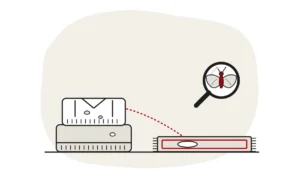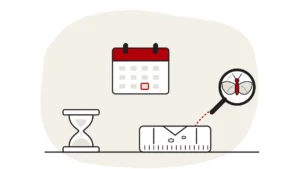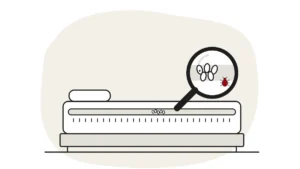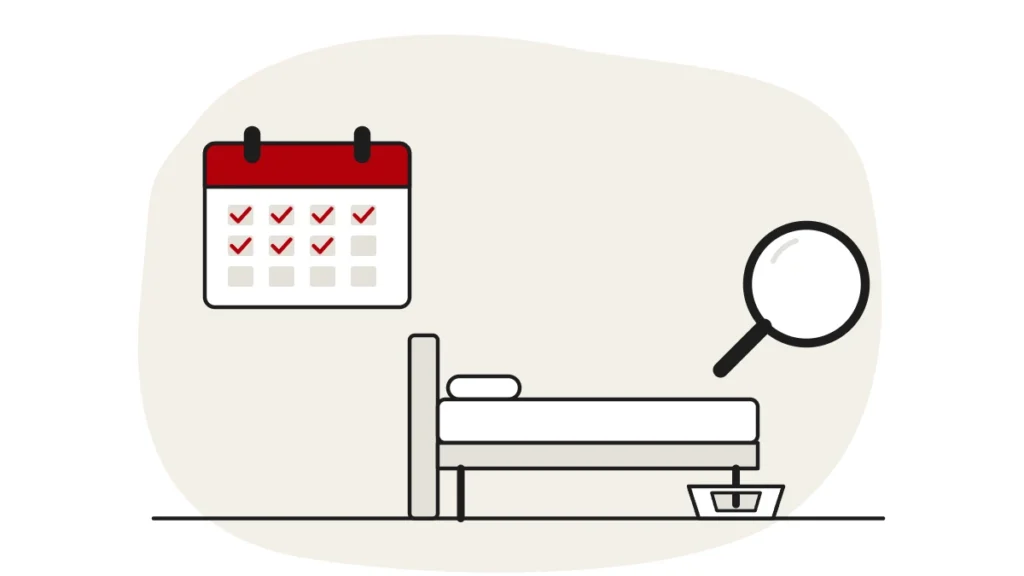
You can tell bed bugs are gone after treatment when, over the following weeks of regular checks, you find no new bites, no live bugs, no fresh dark spots on sheets or mattress seams, and nothing in any monitors. Finding a few dead bugs and old bites fading is normal. New bites or live bugs mean you should call back.
Reviewed by James Rhoades, Owner, ThermoPest · Last reviewed 16 October 2026
The days after a treatment can feel uneasy. You’ve done the preparation, the technician has been, and now every itch makes you wonder. There’s no single moment that tells you it’s over. What tells you is a pattern: signs that fade and stay gone. This guide explains what’s normal after treatment, what isn’t, how to keep checking and when to get back in touch.
What’s normal after bed bug treatment?
Some things you’ll notice in the first days and weeks are a normal part of the process, not a sign the treatment hasn’t worked.
Finding Dead Bed Bugs
It’s common to find dead bugs for a while after treatment, on sheets, along mattress seams, on skirting boards or on the floor near the bed. Bugs that were hiding in cracks and furniture can work their way out and be found later. Dead bed bugs usually look dry, still and flattened, sometimes lying on their backs with their legs curled. Our guide to finding dead bed bugs and what it means shows how to tell them apart from live ones.
Old Bites Taking Time to Fade
Bites you got before treatment don’t disappear overnight. The NHS says bed bug bites usually clear up on their own in a week or so. What matters is whether the old bites are fading and no new ones are appearing. If you’re not sure what you’re looking at, see what bed bug bites look like.
Old Marks and Stains
Dark spots and blood stains from before treatment won’t vanish by themselves. Wash bedding at 60°C and tumble dry it on a hot setting for at least 30 minutes, as the NHS advises for affected bedding and clothing. Clean bedding makes it much easier to spot anything new.
Feeling on Edge
It’s very common to feel itchy or jumpy after an infestation, even when nothing is biting. That’s a normal reaction to a stressful few weeks. Regular, calm checks are the best way to settle it: they give you real evidence instead of guesswork.
Signs Bed Bugs Are Gone vs Signs They’re Still There
No single sign settles it. Look at the overall picture, and look at it over time rather than on one night.
| What you check | Treatment is working | Worth reporting |
|---|---|---|
| Bites | Old bites fading, no new ones appearing | New bites, especially in a line or cluster on skin uncovered in bed |
| Bugs | None, or only dead ones | A live bug, or a bug that moves when touched |
| Spots on bedding | Clean sheets stay clean | Fresh dark spots or small blood spots on clean sheets |
| Shed skins and eggs | Nothing new in seams and joints | New pale shed skins or eggs |
| Monitors | Empty at every check | A live bug caught |
No New Bites
New bites stopping is one of the most reassuring signs. On its own it isn’t proof, though. People react to bites differently (the NHS notes that some people have a reaction to them), so one person in a bed may have marks while another has none, and other insects and skin conditions can cause similar marks. Treat bites as one clue alongside the others.
No Live Bugs
Live bed bugs move when disturbed. The NHS says adults are around 5mm long and can be dark yellow, red or brown. Young bed bugs (nymphs) are smaller and paler, which makes them easy to miss; our guide to identifying bed bug nymphs shows what to look for.
No Fresh Spots on Clean Bedding
Fresh spotting is often one of the earliest signs of ongoing activity, so freshly washed sheets are a useful test. Small dark spots that smear like ink, or tiny blood spots, appearing on clean bedding are worth photographing and reporting.
No New Shed Skins or Eggs
Bed bugs shed their skins as they grow, leaving pale, empty casings. Eggs are tiny, white and often tucked into seams and crevices. If you find new ones in places you’ve already checked, that suggests bugs are still developing. See how to spot bed bug eggs.
How long until you know bed bugs are gone?
There’s no fixed point after which you can be certain, because bed bugs hide well and activity can be on and off. What builds confidence is a steady run of checks that find nothing new.
At ThermoPest, qualifying treatments come with a 12-week treatment guarantee. If live bed bugs are reported within those 12 weeks, a return visit is included. That makes the 12 weeks after your treatment a sensible period to keep checking and to report anything you find. Return visits may be needed in some homes, and that’s what the guarantee is for. Our bed bug aftercare and guarantee page sets out what’s covered and what we ask of you.
Follow the aftercare instructions your technician gives you, including the cleaning, bedding and re-entry advice. After heat treatment, you can usually go back into your home 2 hours later, unless the technician advises otherwise.
How should you check your home after treatment?
A short routine is more useful than an anxious search every night. Once or twice a week, with a torch:
- check mattress seams, piping, labels and the underside of the mattress;
- look along the bed frame joints, slats and headboard;
- check bedside furniture, skirting boards and carpet edges near the bed;
- look at the sofa or chair if bed bugs were found there before;
- change to clean, pale bedding so new spots stand out.
Our step-by-step guide on how to check for bed bugs goes into more detail.
Using Monitors and Interceptors
Monitors give you evidence while you sleep. Interceptors are a common type: small cups placed under each bed leg, with an outer well and an inner well, so a bug climbing up to the bed, or coming down from it, gets caught. Pull the bed slightly away from the wall and keep bedding off the floor so the legs are the only way up. Check the cups when you check the bed. Our guide to bed bug traps and interceptors has more on where to put them and how long to leave them.
ThermoPest can install optional bed bug monitors discreetly after treatment to help detect any ongoing activity. If you’d rather use your own, a plain interceptor-style cup is the usual choice.
Why can bed bugs seem to come back?
When bed bugs appear after a quiet spell, it usually comes down to one of these:
- A few bugs or eggs survived in a spot that was hard to reach.
- Bed bugs were in a room or piece of furniture that wasn’t treated.
- They came through from a neighbouring flat. This is why we ask to inspect neighbouring flats when we treat a flat.
- They were brought back in, for example after a trip or in second-hand furniture.
Shop-bought sprays, foggers and bug bombs aren’t the answer if you spot something. They tend to scatter bed bugs into new hiding places, which makes a return visit harder. The NHS says it’s very difficult to get rid of bed bugs yourself.
When should you call back?
Get in touch if you find:
- a live bed bug, adult or young;
- new bites appearing after the old ones have faded;
- fresh spots on clean bedding;
- a live bug in a monitor.
Before you call, take a clear photo or short video of what you’ve found. If you can, catch the bug on clear sticky tape or in a sealed bag. Note where you found it and the date. For a ThermoPest return visit under the guarantee, we ask for clear evidence of live activity (a photo, video or a bug caught in a trap), your name and treatment address, and the date of your original treatment.
If you’ve spent a night somewhere with bed bugs and are worried about bringing them home, our guide on what to do if you slept in a bed with bed bugs covers the steps to take.
Looking After Bites
Bed bugs aren’t known to spread disease. The NHS suggests putting something cool, like a clean, damp cloth, on the bites to help with itching and swelling, keeping the area clean and not scratching. A pharmacist can advise on treatments for itching. The NHS says to see a GP if bites are still very painful, swollen or itchy after trying treatments from a pharmacist, or if the pain or swelling around them is spreading. For more, see how to stop bed bug bites itching.
FAQs
How soon can bed bugs come back after professional treatment?
If any bugs or eggs survived, signs such as new bites or live bugs can show up in the weeks after treatment, which is why ongoing checks matter. Bed bugs can also be brought back in at any time, from travel, second-hand furniture or a neighbouring flat. If you see a live bug, photograph it and get in touch.
I found one bed bug after treatment. Are there more?
Not necessarily. First check whether it’s alive. A dead bug is common after treatment. A live one is worth reporting, because one bug can mean others are hiding nearby. Photograph it, keep it in a sealed bag if you can, check the bed closely and contact your pest controller.
Is it normal to see bed bugs after treatment?
Seeing dead bugs is normal for a while. Seeing live bugs moving around, especially some time after the treatment, isn’t something to ignore. Report it with a photo or video so your technician can decide whether a return visit is needed.
Do bed bugs go away on their own?
No. Bed bugs can survive long periods without feeding, so leaving them rarely solves the problem. The NHS says it’s very difficult to get rid of them yourself and advises contacting your local council or a pest control service.
Can I still get bites after treatment?
You may still see bites from before treatment while they fade; the NHS says bites usually clear up in a week or so. New bites appearing after that, especially in a line or cluster, are a reason to check the bed and get in touch.
Found something after treatment?
If you’ve spotted a live bug or new bites, send us a photo or video and we’ll advise on the next step. ThermoPest is a member of the BPCA and NPTA, and our technicians arrive in unmarked vans.