Bed bug guides
Simple habits at home, when you travel and in shared buildings that cut the risk of bringing bed bugs in, and help you spot them early.

4.9 / 5 on Google


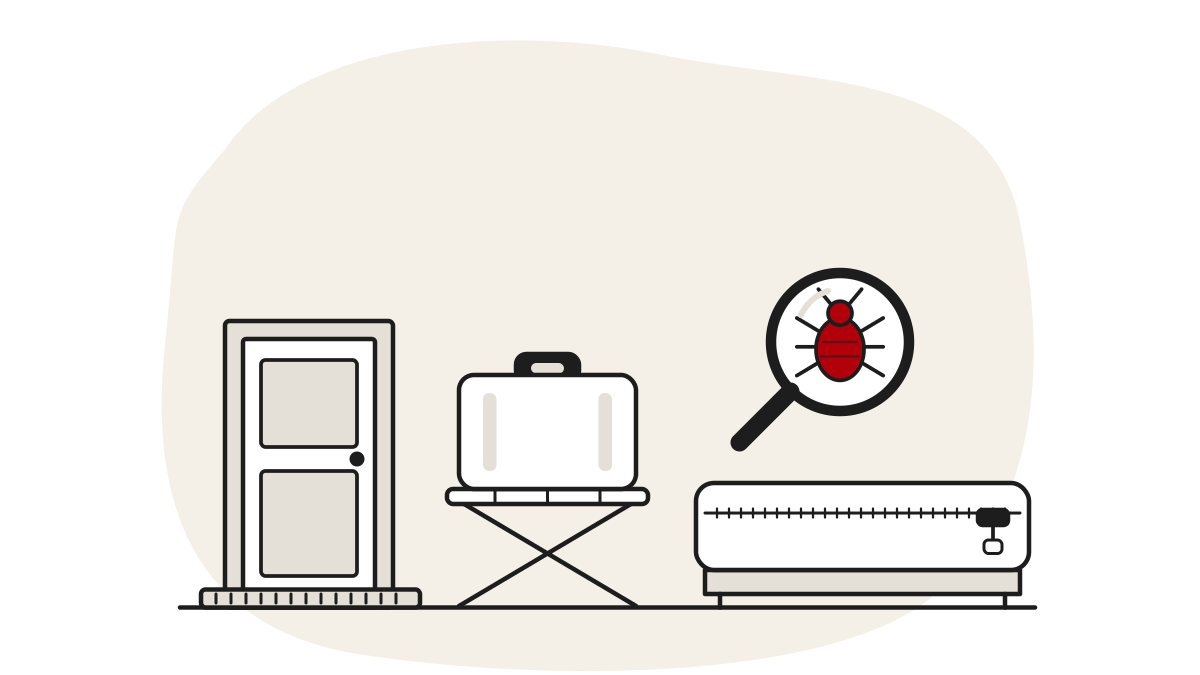
To prevent bed bugs, stop them hitching a ride in. Check hotel beds and keep luggage off beds and floors, unpack straight into the wash after trips, check second-hand furniture before it comes inside and keep bags and coats off beds. A mattress encasement and regular bed checks help you spot any arrivals early.
Reviewed by James Rhoades, Owner, ThermoPest · Last reviewed 15 October 2026
Bed bugs don’t come from dirt or damp. They arrive with people and their belongings, and our guide to how you get bed bugs explains the routes in. This page covers the practical side: simple habits that cut the risk of bringing them home, and how to spot early arrivals before they settle.
Not completely. Anyone can pick up a bed bug, however clean and careful they are. What you can do is cut the chances of bringing them in, give them fewer places to hide, and notice quickly if one gets through. A small problem found early is far easier to deal with than one that has had months to spread.
The NHS advises not keeping clutter around your bed. Piles of clothes, boxes and bags under or beside the bed give bed bugs more places to hide and make the early signs much harder to see. Keep the space under the bed as empty as you can.
Bags, coats and gym kit go everywhere with you, so they’re the easiest way for a stray bug to reach your bed. Hang coats up and put bags on a hard floor or a hook. This matters most after a trip or a sleepover. Offices and public transport rarely have infestations of their own, but see our guides on bringing bed bugs home from work and bed bugs on the Tube and trains.
Bed bugs walk; they can’t fly or jump. Pulling the bed a little away from the wall and stopping duvets, throws and valances from trailing on the floor leaves fewer easy routes up to where you sleep.
The NHS suggests cleaning and vacuuming regularly. It won’t stop bed bugs arriving, but signs stand out in a clean room. When you change the sheets, run a phone torch along the mattress seams, labels, headboard and bed frame joints. Our step-by-step mattress check shows exactly where to look.

Hotels, hostels, holiday lets and sleeper trains all have a steady flow of people, and any of them can have bed bugs, whatever the price or star rating. A quick check when you arrive and a careful unpack at home cover most of the risk.
Our guide on how to check a hotel room for bed bugs goes through this in more detail.
Keep your case closed and live out of it rather than spreading clothes across the bed or floor. Put worn clothes in a sealed plastic bag until you can wash them.
Check the bunk frame and mattress before you unpack, keep your bag zipped and in a locker or on a hard surface rather than the bed, and keep clothes in sealed bags inside your pack.
Unpack in a hallway, bathroom or kitchen, not the bedroom. If you think your things may have been near bed bugs, the NHS advises washing bedding and clothing on a hot wash (60°C) and tumble drying on a hot setting for at least 30 minutes. For items that can’t be washed, it suggests putting them in a plastic bag in the freezer for 2 to 3 weeks. Then vacuum the case, paying attention to the seams, pockets and wheels.
For the full method, see how to check and treat your suitcase for bed bugs. We also explain whether washing, drying or ironing kills bed bugs and how long bed bugs can live in a sealed plastic bag.
The NHS advises not bringing second-hand furniture indoors without carefully checking it first. Beds, mattresses, sofas and upholstered chairs carry the highest risk, because bed bugs hide in their seams, joints and fabric.
If you can’t check something properly, it’s safer to pass. Our guide on how to check second-hand furniture for bed bugs has a full checklist.
Guests, lodgers and family staying over can bring bed bugs in without knowing. A few quiet habits are enough:
Read more on whether someone can bring bed bugs to your home.
In blocks of flats and terraced houses, bed bugs can move between homes through gaps around pipes, cables, sockets and skirting boards. You can’t control what happens next door, but you can reduce the risk:
When we treat a flat, we ask to inspect neighbouring flats too, because a problem next door can come back through the walls. Read more in can bed bugs come from neighbours? and if one room has bed bugs, do they all? If you rent and your landlord won’t act, see what to do if your landlord won’t treat bed bugs.
Halls, HMOs and shared houses have lots of people and regular move-ins, so bed bugs can spread between rooms quickly. A few habits help:
Because no prevention is perfect, the next best thing is spotting bed bugs while there are only a few. None of these tools replaces treatment once bed bugs are established.
An encasement is a zipped cover that goes all the way round the mattress, and ideally the divan base. It removes the seams where bed bugs like to hide, makes signs easy to see, and stops any bugs already inside from getting out to feed. Choose one sold for bed bugs, with a fully enclosing zip, and keep it on.
Interceptors are small double-walled dishes that sit under each bed leg. Bed bugs walking to or from the bed fall into the well and struggle to climb the smooth sides, so you can see them. They work best when the bed doesn’t touch the wall or floor-length bedding. They help you find bed bugs; they won’t get rid of an infestation.
Our room-by-room guide to checking for bed bugs shows what to look for. Landlords, hostels and housing providers with many rooms can use bed bug monitoring for regular professional checks.
| Tool | What it does | What it won’t do | Best for |
|---|---|---|---|
| Mattress encasement | Removes seam hiding places; makes signs easy to see | Stop bugs hiding in the bed frame, headboard or room | Every bed, especially in flats and shared houses |
| Interceptor traps | Catch bugs walking to or from the bed so you can see them | Clear an infestation | Early warning, or checking after a trip |
| Professional monitoring | Scheduled checks by a technician across many rooms | Replace treatment if bugs are found | Landlords, hostels, halls and hotels |
Cleaning on its own won’t keep bed bugs out, because they feed on blood, not dirt. We’re not aware of any repellent spray, scent or plug-in that reliably keeps them away. Foggers, bug bombs and smoke bombs don’t reach bugs hidden in seams and tend to scatter them. And sleeping with the light on doesn’t stop them feeding, as we explain in will sleeping with the light on stop bed bugs?
The NHS lists the signs: bites in a line or group, spots of blood on your bedding, small brown spots on bedding or furniture, and the bugs themselves, with adults around 5mm long. Don’t move furniture or bedding between rooms. The NHS says getting rid of bed bugs yourself is very difficult and unlikely to be complete, and advises contacting your local council or a pest control service.

ThermoPest’s bed bug heat treatment is heat-led, with targeted spray where it’s needed, so it reaches the seams, joints and cracks where bugs and eggs hide. ThermoPest is a member of the BPCA and NPTA, and our technicians arrive in unmarked vans. If you live in a flat, we’ll ask to inspect neighbouring flats too. A return visit may be needed to make sure the problem is cleared.
4.9 / 5 on Google
FAQs
Can’t see your question? Call 0808 189 2310 and speak to a specialist.
No method is foolproof, because bed bugs travel on people and belongings. You can cut the risk a lot by checking hotel beds, unpacking straight into the wash after trips, checking second-hand furniture and keeping bags off beds. Regular checks and an encasement help you catch any that get through early.
Keep the area around the bed clear, pull the bed a little away from the wall and stop bedding trailing on the floor. Fit a zipped encasement on the mattress and base, and check the seams, headboard and frame when you change the sheets. Interceptor traps under the legs can give early warning.
They don’t stop bed bugs arriving, but they remove the seams where bugs like to hide, make signs easy to see and stop any bugs already inside from getting out to feed. Bugs can still hide in the bed frame, headboard and furniture, so an encasement is one part of prevention, not a fix.
Check the bunk frame and mattress with a torch before you unpack. Keep your bag zipped and in a locker or on a hard surface, not on the bed, and keep clothes in sealed bags. When you get home, unpack away from the bedroom and wash and tumble dry your clothes hot.
Nothing keeps them away completely. We’re not aware of any spray, scent or plug-in that reliably repels bed bugs. What works is not carrying them in: checking where you sleep when away, washing and drying clothes hot after trips, checking second-hand items and keeping bags off beds.
Don’t move beds, sofas or bedding out of the affected room, and don’t use foggers or bug bombs, which scatter bugs. Tell your landlord or managing agent early if you live in a flat. Professional treatment should include checking nearby rooms, and neighbouring flats where possible.
Not on its own. Bed bugs feed on blood, not dirt, so clean homes get them too. Keeping clutter away from the bed and vacuuming regularly do help, because they leave bed bugs fewer places to hide and make early signs much easier to spot.
Worried bed bugs have got in?
If you’ve found signs, an inspection will confirm what you’re dealing with. ThermoPest is a member of the BPCA and NPTA, and our technicians arrive in unmarked vans.
Prefer to call? 0808 189 2310
Talk to a specialist
Speak to a bed bug expert today. Tell us what you’ve found and we’ll come back to you with the right next step.
Enter Your Details To Request A Call Back
Enter Your Details To Request A Call Back


